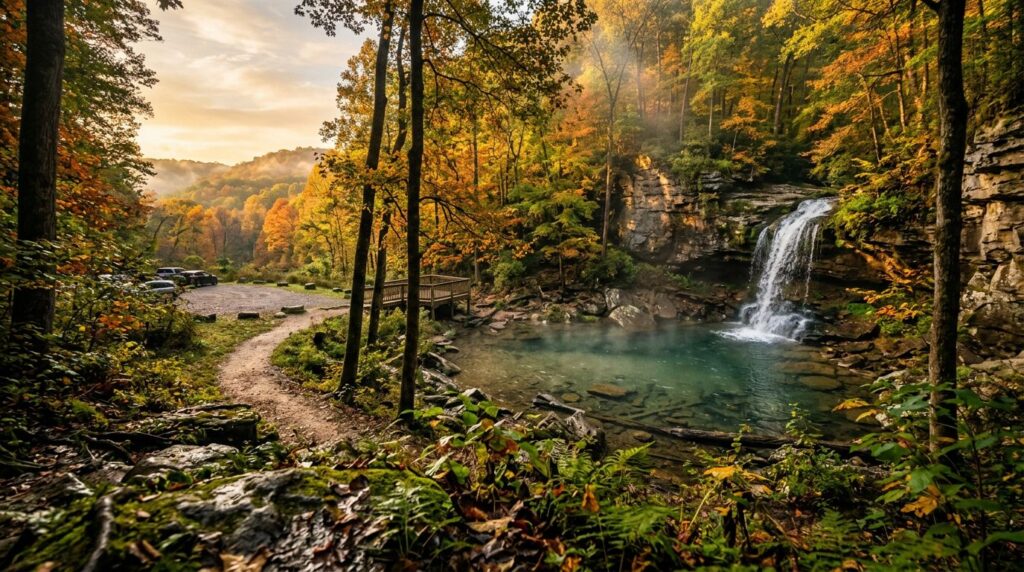

Northern Kentucky nature programs give children several ways to learn outdoors: guided group tours, sensory play, environmental lessons, and family trail time. The right choice begins with the kind of participation your child can manage, because a preschool outing and a school-group field trip ask different things of a family.
Here in our part of Kentucky, you can make outdoor learning part of a vacation without giving the whole day to one attraction. We recommend beginning with the program format, then choosing the setting that gives your child something worth noticing.
Key Takeaways
- Public trail hours, scheduled activities, and group bookings are different arrangements.
- Preschoolers have an age-focused option, while school groups can pursue guided tree tours and environmental lessons.
- A free, 60-minute arboretum group tour offers a defined educational outing.
- For a family vacation, one outdoor activity with room for rest is a sound plan.
Northern Kentucky Nature Programs Begin With the Right Format
A nature program means more than being outdoors. It gives children a subject to observe, an activity to follow, or an educator who helps them understand what they see. The format determines how your family participates.
Public Access Gives Families Flexibility
Public trail access allows you to walk together and follow your child's attention. You remain responsible for supervision, pace, and the decision to turn back.
That freedom matters with younger children. A short walk can hold their attention when they have time to examine leaves, listen for birds, and pause without delaying a group. Our guide to family hiking trails in Northern Kentucky offers additional options for a self-directed outing.
Group Programs Give Learning a Structure
A group program has a different purpose. An educator selects the subject and directs the activity, whether children are identifying trees or learning about aquatic habitats.
Some offerings are designed for schools, homeschool groups, or other organized groups. They belong in a group itinerary rather than being treated as drop-in entertainment for an individual family.
Boone County Nature Center Opens the Trail
The Boone County Extension Environmental & Nature Center is at 9101 Camp Ernst Road. It gives families a Kentucky-side setting for outdoor exploration, with public trail access and an early-childhood program among its offerings.
Wednesday Trail Hours Have Clear Rules
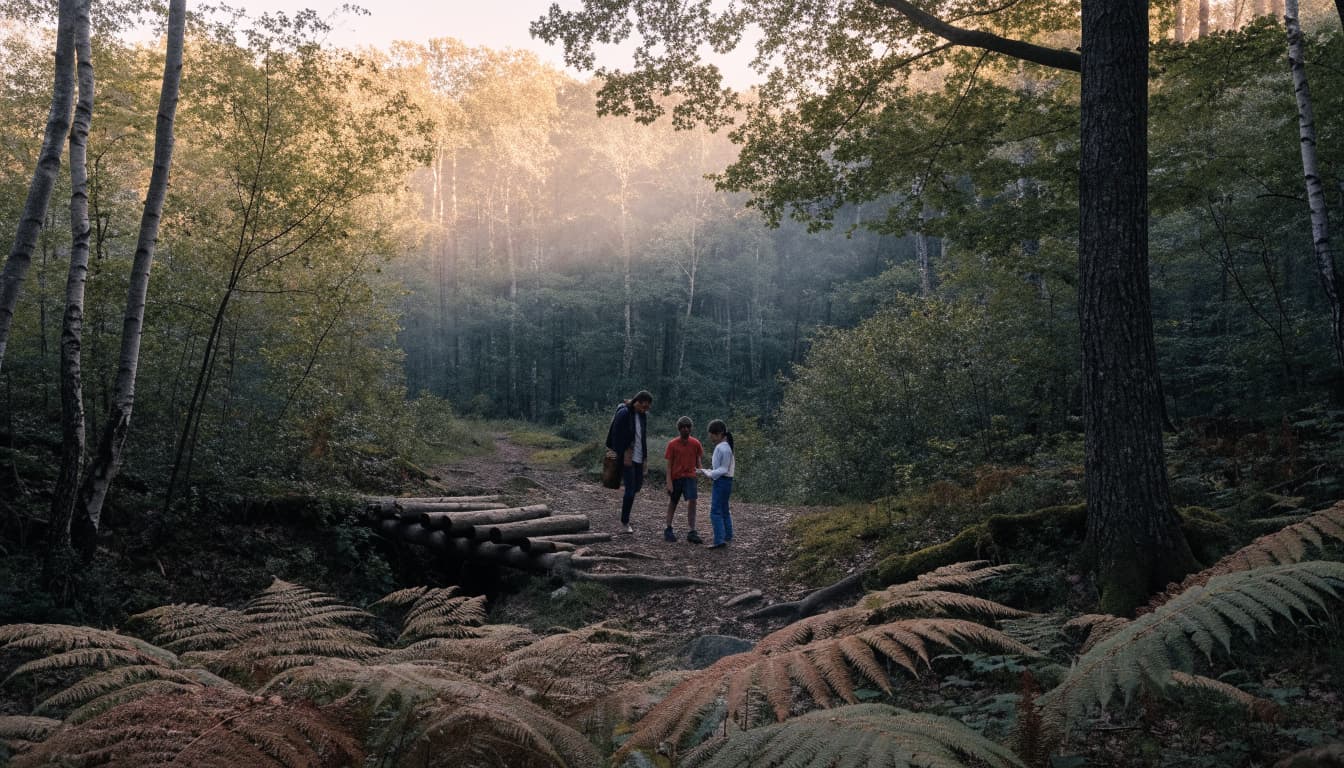
The center's 2026 Hike the Trails listing provides access on Wednesdays, 10 a.m. to 2 p.m., May through October, including October 28.
Registration isn't required. Visitors sign in and out at the shelter house, pets aren't allowed, and the gates close at 2 p.m. These are the boundaries of the outing, and they should shape your arrival and walking time.
We recommend leaving enough time to return without hurrying children through the final part of the walk. An opening window gives you access; it doesn't mean every family needs to spend four hours on the trails.
Little Explorers Begins With the Young Child
Little Explorers is designed for ages 2 through 5, with sensory-rich outdoor exploration and play.
Sensory learning means children use their senses to investigate their surroundings. Texture, sound, movement, and close observation give a young child something concrete to understand.
For this age, we favor participation over distance. A child who stops to study a leaf is already doing the work of discovery.
Boone County Arboretum Makes Trees the Lesson
The Boone County Arboretum is a 121-acre botanical garden at 9190 Camp Ernst Road. Its grounds include trails and a children's area, which give families several reasons to spend time outdoors.
Family Walks Build Careful Observation
An arboretum is a collection of trees and other woody plants grown for study and enjoyment. This means the trees themselves are the subject.
Children can compare bark, leaf shapes, branching patterns, and the shade beneath different trees. We recommend choosing one feature and following it through the walk, rather than asking younger children to remember every plant name.
A clear question gives attention a direction. Looking for different leaf shapes gives a child a task they can understand and complete.
Free Group Tours Give the Visit Direction
The arboretum offers a free, docent-led educational tour lasting 60 minutes for groups. Grades 1 through 3 are typical participants, and other grade levels and homeschool co-ops are welcome.
This is a group booking option, not a scheduled public family event. It fits a class or co-op that wants a defined lesson within an outdoor visit.
The hour-long format also gives organizers a clear instructional block around which to arrange transportation, food, and the rest of their day.
Campbell County Connects Water, Woods, and Wildlife
The Campbell County Environmental Education Center, at 1261 Race Track Road, offers group activities that connect children with the natural world.
Its program menu includes wildlife, aquatic ecology, bird identification, hikes, nature crafts, scavenger hunts, and tree identification. These are group-program offerings rather than a dated public event schedule.
Choose a Subject Children Can Follow
Aquatic ecology is the study of living things and their relationships in water. Bird identification asks children to observe differences in appearance, movement, and sound. Tree identification directs that same attention toward plants.
Each subject gives a group something definite to pursue. We recommend choosing according to children's interests and the purpose of the visit.
A group studying habitats needs time to connect animals with food, water, and shelter. A group learning observation skills may benefit from a narrower identification activity.
Creek Learning Requires Restraint
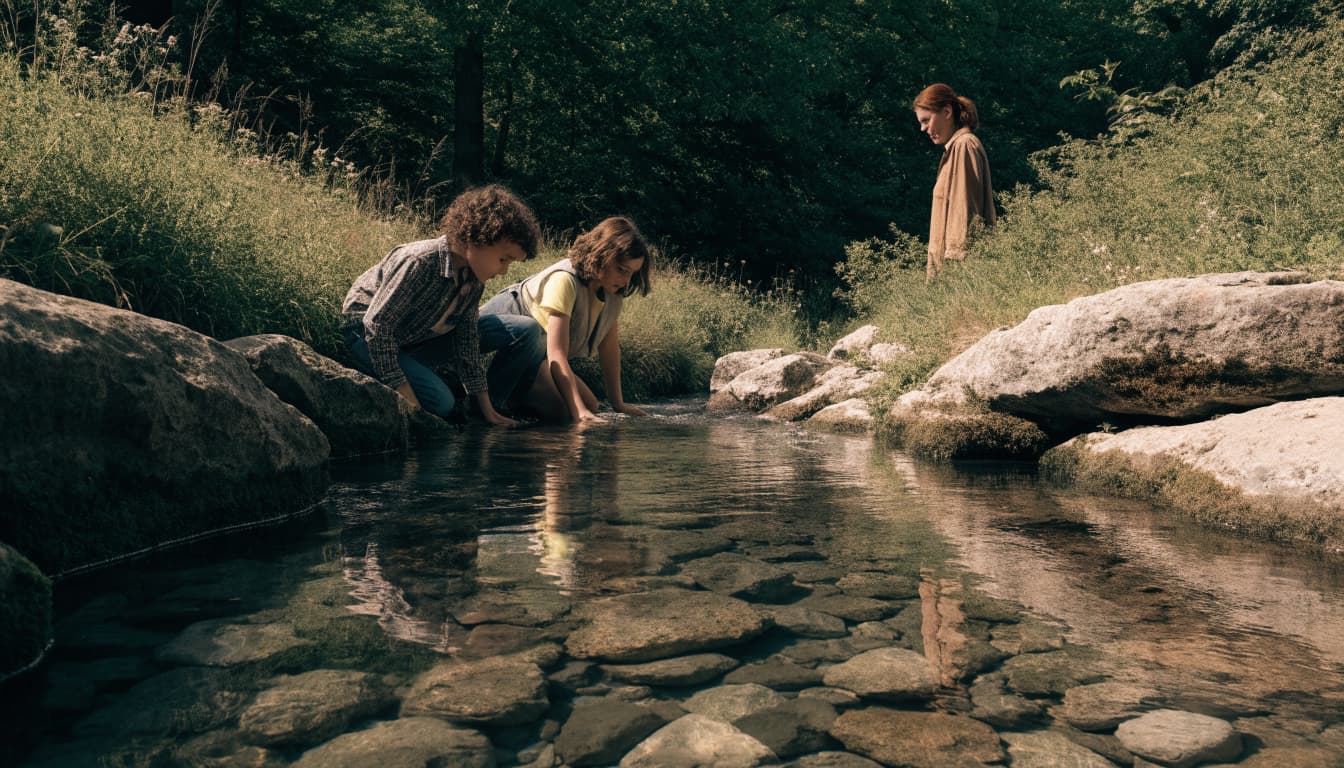
Water gives children much to observe, but adults must keep the activity within safe boundaries. Stay out of high or fast-moving water, and follow the educator's directions about handling organisms or moving stones.
Observation comes before collection. Children can learn by watching movement, comparing water and bank habitats, and describing what they see. You don't need to remove something to learn about it.
Field Trips Need a Clear Purpose
The Boone County Conservation District's field-trip opportunities connect outdoor learning with the county's parks, forests, fields, and streams. This is another route for organized student groups seeking experiential learning.
Experiential learning means learning through direct activity. Children observe a place, take part in a task, and connect what happened with the subject being taught.
We recommend setting one learning goal before arranging a group visit. Identifying several trees or describing a stream habitat gives the outing direction. A long list of unrelated objectives can leave children moving between activities without understanding the connection.
Keep camps separate in your planning. A camp asks for a different commitment than a field trip, with supervision, meals, transportation, and time away from caregivers becoming part of the decision.
Our guide to Northern Kentucky summer camps for kids covers that broader choice. A visiting family may need one guided activity; a local family may want a recurring summer experience.
Choose an Outing Your Family Can Sustain
The learning matters, but the whole outing must work. Walking distance, weather, food, and rest affect whether children can give the activity their attention.
Match Participation to Readiness
Age is one measure of readiness. Attention, comfort with unfamiliar adults, and willingness to follow instructions matter too.
A child who enjoys outdoor play may still struggle with a long group lesson. Another child may welcome an educator's structure but need help with uneven ground or noise.
For families who need a gentler pace, our sensory-friendly activities in Northern Kentucky guide offers broader planning ideas. Familiar items and room for breaks can belong in the plan without making the outing complicated.
Give the Rest of the Day Room
Bring drinking water, suitable shoes, weather-appropriate layers, and sun protection. For muddy settings, spare clothing can make the return trip more comfortable.
We recommend one main outdoor activity, followed by food and rest. Children need time to finish an observation without another reservation pressing them forward.
For additional county-park context, Kenton County Parks & Recreation manages seven designated park areas totaling nearly 725 acres. Park space can support an independent outing, but access alone doesn't include a guided lesson.
A family vacation needs that distinction. Choose instruction when you want instruction, and leave open space in the schedule when your children need freedom to move.
Frequently Asked Questions
Are Any Guided Nature Programs Free?
The arboretum's docent-led group tour is free and lasts 60 minutes. It is intended for organized groups, with grades 1 through 3 typical and other grades and homeschool co-ops welcome.
That free group offering shouldn't be confused with a public drop-in tour.
Is There an Option for Preschoolers?
Little Explorers is designed for children ages 2 through 5 and emphasizes sensory-rich outdoor exploration and play.
For independent family time, the nature center's listed Wednesday trail hours provide a separate option. On a family walk, you control the pace and remain responsible for supervision.
Can a Vacationing Family Use Group Programs?
Group offerings fit an organized party with a shared learning purpose. An individual household will usually find public trail access more flexible.
For a mixed-age vacation, we recommend starting with the format everyone can participate in, rather than choosing the longest activity available. The same educational subject can be approached at different depths.
Give a Kentucky Nature Day Room to Work
Northern Kentucky nature programs give families clear choices when public access, guided learning, and group bookings are kept separate. Choose the arrangement that fits your children, then give them time to participate.
We want your Kentucky visit to include room for careful attention. One tree studied, one habitat understood, and one question pursued can give an outdoor day a purpose your children remember.