Summer arrives with long days, open calendars, and children who seem to need an activity every hour. We know the right camp can do more than fill those hours. It can give kids trusted adults, new responsibilities, outdoor memories, and the confidence that comes from trying something they couldn't do before.
The strongest Northern Kentucky summer camps aren't all alike. Some are built around swimming and adventure, while others focus on animals, science, history, or quiet time in the woods. We need to choose the camp that fits our child's age, personality, comfort level, and schedule. These are the places worth considering first.
Key Takeaways
- Camp Ernst in Burlington is a leading choice for outdoor day camp and overnight experiences.
- Behringer-Crawford Museum and Newport Aquarium offer close-to-home learning camps in Northern Kentucky.
- Cincinnati Nature Center, the Cincinnati Zoo, and Cincinnati Museum Center provide strong themed options across the river.
- We should compare supervision, transportation, lunch, before-care, after-care, and cancellation policies before registering.
- The best camp is the one where our child will feel safe enough to participate and challenged enough to grow.
Camp Ernst gives kids a true summer camp experience
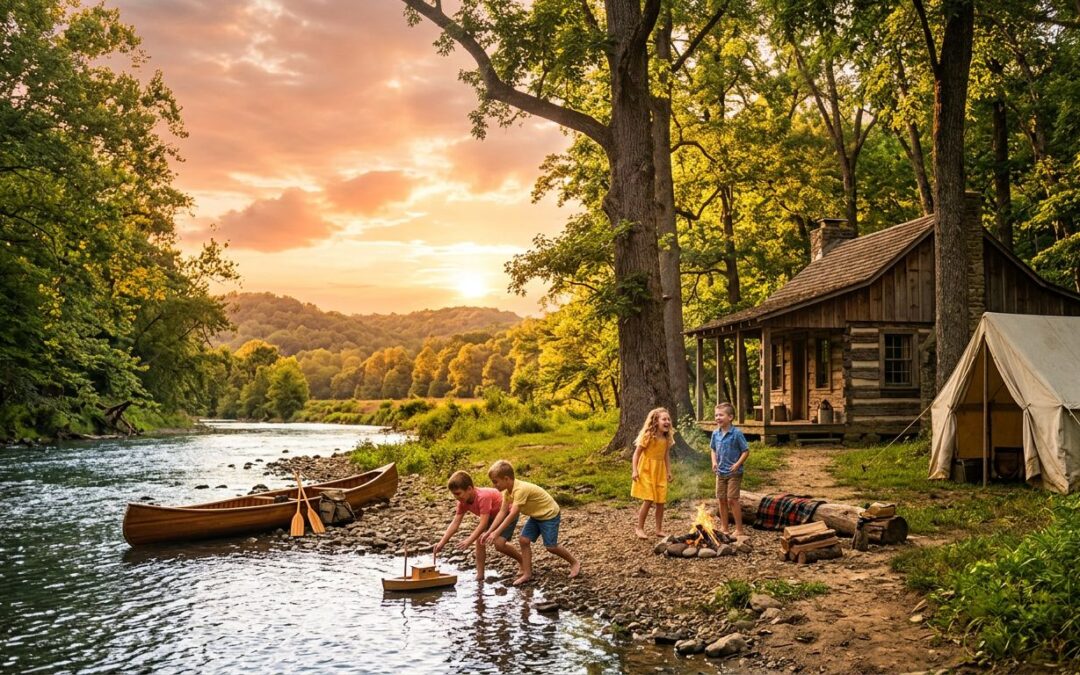
When we picture traditional summer camp, we picture cabins, water activities, campfires, new friends, and children returning home tired in the best way. Camp Ernst in Burlington gives families that kind of experience without requiring a long trip away from Northern Kentucky.
Operated by the YMCA of Greater Cincinnati, Camp Ernst offers day camp and overnight camp programs. The setting is built for active children who want to spend their days outside. Depending on the program and age group, activities may include swimming, boating, archery, climbing, outdoor skills, crafts, and group games.
The overnight option deserves special attention. Some children are ready for several nights away, while others need a shorter first step. We shouldn't force the matter. A child who enjoys a full day at camp may still need more time before sleeping away from home. Camp Ernst's day programs can help families test that readiness.
The right question isn't whether overnight camp sounds impressive. The right question is whether our child can follow directions, manage basic personal tasks, ask an adult for help, and handle a night away without constant distress. Readiness matters more than age alone.
Camp Ernst is a strong fit for children who need movement and variety. Kids who dislike sitting indoors all day often respond well to a schedule that keeps them active. We should review the current session descriptions carefully because activities, age groups, and hours can change each summer.
For families comparing several options, this is the choice that most closely matches the classic camp picture. It has the space, structure, and outdoor setting that can make summer feel like a real break from ordinary routines.
Nature camps turn local woods into a classroom
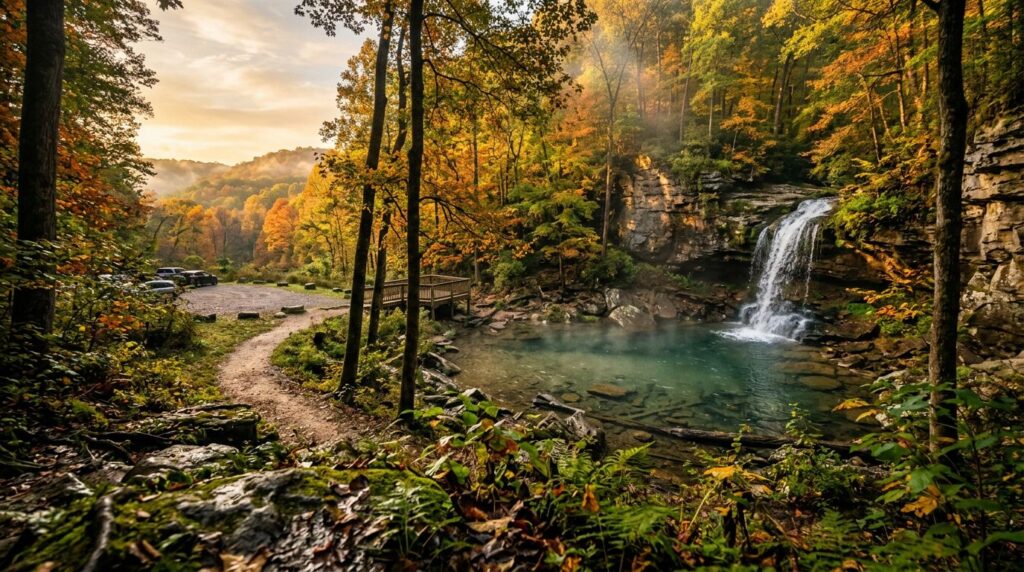
A child doesn't need a faraway vacation to discover something new. The woods around Cincinnati and Northern Kentucky are full of insects, birds, creeks, trails, and questions that cannot be answered from a worksheet.
Cincinnati Nature Center in Milford is one of the strongest nearby choices for children who want outdoor exploration. Its summer programs have included age-based nature camps, wildlife activities, hiking, games, and hands-on lessons. The exact themes and age ranges vary, so we should check the current schedule before making plans.
Great Parks programs across the Cincinnati area also give children access to trails, parks, ponds, and natural habitats. These day camps can be helpful for families who want outdoor time without committing to an overnight stay. They may also work well for children who enjoy nature but aren't ready for a cabin experience.

Photo by cottonbro studio
Nature camp is not a lesser version of a sports camp or an academic camp. It teaches children to pay attention. They learn to identify what is moving in the grass, notice changes in weather, respect living things, and work with other children in an unfamiliar setting.
For younger children, nature programs can feel like an outdoor treasure hunt. Older kids may enjoy conservation topics, survival skills, wildlife observation, or longer hikes. We should look for camps that match our child's stamina. A program with several hours of trail activity may not be a good fit for a child who tires quickly in the heat.
Outdoor camps also require more preparation. Sunscreen, closed-toe shoes, a refillable water bottle, insect repellent, and an extra change of clothes may be required. We should follow the packing list exactly. The small details determine whether a hot afternoon becomes a good memory or a miserable one.
Northern Kentucky has close options for science, animals, and history
Families don't have to cross the river every day to find meaningful summer programs. Behringer-Crawford Museum in Covington is especially convenient for Northern Kentucky families, and its camp offerings have centered on local history, nature, science, art, and the region's cultural story.
The museum is located in Devou Park, which gives children access to both exhibits and outdoor surroundings. That combination matters. Kids can learn about Northern Kentucky inside the museum, then connect those ideas to the land and communities around them.
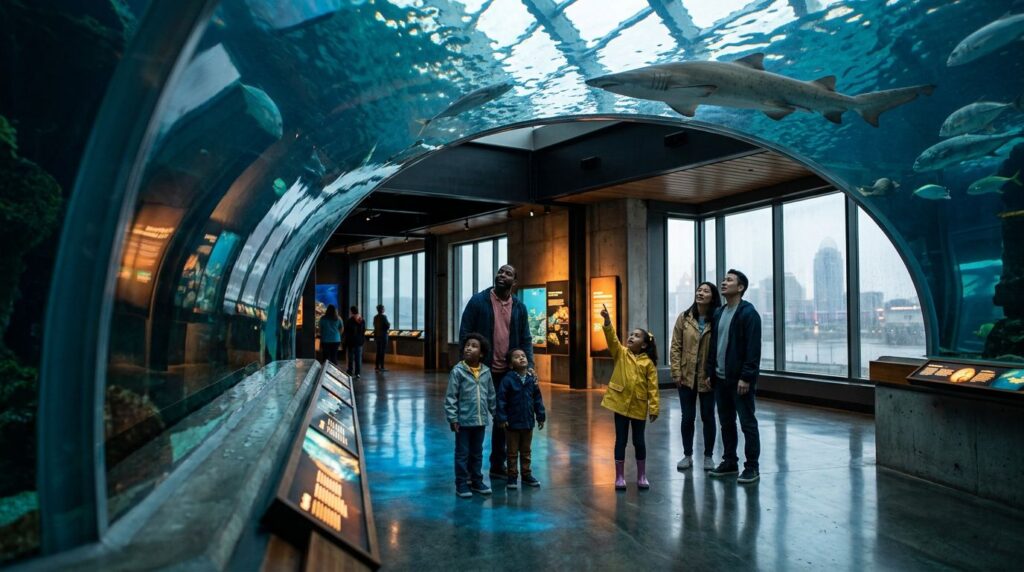
Newport Aquarium is another natural choice for children who love animals. Aquarium camps and education programs have focused on aquatic life, conservation, animal behavior, and behind-the-scenes learning. Offerings and age groups change, so we should confirm whether the current summer schedule includes a multi-day camp, a short session, or another youth program.
Across the river, Cincinnati Zoo summer programs are a good match for children who ask constant questions about animals. Zoo-based camps can include animal observation, conservation lessons, keeper talks, and activities connected to habitats. The zoo offers different formats for different ages, and younger children may need a shorter or more guided program.
Cincinnati Museum Center provides another strong day-camp option. Its programs have included science, history, engineering, and other themed activities connected to the museum's exhibits. This is a practical choice when our child wants to learn but doesn't want a traditional outdoor camp.
| Camp option | Setting | Best fit | Approximate drive from Covington |
|---|---|---|---|
| Camp Ernst | Outdoor day or overnight camp | Active children and first camp experiences | 20 to 25 minutes |
| Behringer-Crawford Museum | Museum, history, and nature | Younger learners and local families | 5 to 10 minutes |
| Newport Aquarium | Aquatic science and animals | Children fascinated by marine life | 5 to 10 minutes |
| Cincinnati Nature Center | Trails, wildlife, and woods | Children who enjoy outdoor discovery | 30 to 40 minutes |
| Cincinnati Zoo | Animals and conservation | Animal lovers and curious learners | 20 to 30 minutes |
| Cincinnati Museum Center | Science, history, and themed learning | Kids who prefer structured activities | 15 to 20 minutes |
Drive times are estimates from central Covington, and summer traffic can change them. The central truth remains simple: we have excellent camp choices close to home.
Choose the camp by fit, not by reputation
A camp can be popular and still be wrong for our child. The camp must fit the child who will attend it, not the child we wish would attend it.
We should begin with four questions. Does our child want outdoor activity or indoor projects? Do they enjoy large groups or smaller groups? Can they manage a full day away from home? Are they comfortable trying something without a sibling or close friend?
The answers will quickly narrow the field. A child who loves animals may be happier at the zoo or aquarium than at a general recreation camp. A child who needs movement may struggle with a program built around long indoor sessions. A child who is anxious in new settings may need a familiar local program before trying overnight camp.
Before registering, we should confirm:
- The exact age range and session dates
- Daily drop-off and pick-up procedures
- Before-care and after-care availability
- Lunch, snacks, water, and allergy policies
- Staff supervision and counselor-to-child ratios
- Swimming requirements and water safety rules
- Medication procedures and required health forms
- Refund, transfer, and cancellation policies
- Financial aid or sibling discounts
- What happens during severe heat or storms
Transportation deserves its own question. Some camps require parents to handle daily drop-off, while others provide transportation from selected locations. A camp that looks perfect on paper may become exhausting if the drive doesn't fit our work schedule.
We should also read the registration language instead of assuming every camp works the same way. A day camp may still require closed-toe shoes, daily sunscreen, and a packed lunch. An overnight camp may require labeled bedding, medication forms, and several items that are easy to forget.
The best camp is not the one with the longest activity list. It is the one where our child can participate, ask for help, and come home with a sense of accomplishment.
Plan early, but don’t panic if summer is underway
Popular camps fill quickly, especially programs with limited group sizes, before-care, transportation, or overnight cabins. Families planning for the next summer should begin comparing programs during winter and early spring. We should place registration dates on the calendar because waiting can leave us with only the least convenient sessions.
If we're planning for late summer 2026, we should check each camp's live availability instead of relying on an old schedule. A session may be full, a waitlist may have opened, or a new week may have been added. Local parks, museums, and recreation departments can also publish short programs after larger camps have filled.
A waitlist is not always the end of the road. Families change plans, and openings can appear before a session begins. We should ask whether the camp contacts waitlisted families by phone or email, then respond quickly if a place becomes available.
The first camp experience should be prepared for honestly. We can talk about the schedule, practice opening a lunch container, label clothing, and explain how to find a counselor. We shouldn't promise that every moment will be easy. We should promise that trusted adults will be there and that asking for help is part of camp.
A simple preparation plan helps:
- Read the family handbook together.
- Visit the drop-off location before the first morning.
- Pack familiar items when the camp allows them.
- Practice the skills our child will need.
- Keep the goodbye calm and confident.
Children often take their emotional cues from us. If we treat camp as a safe challenge, they are more likely to believe they can handle it.
Conclusion
The best summer camps near Northern Kentucky give children more than a place to go while school is out. Camp Ernst offers a traditional outdoor experience, while local museums, the aquarium, the zoo, nature centers, and parks give families focused choices close to home.
We should choose according to fit, preparation, and the kind of growth our child is ready to handle. When the setting is right, a summer week can become more than a busy schedule. It can become the moment a child discovers a new interest, makes a friend, or realizes they are capable of more than they thought.