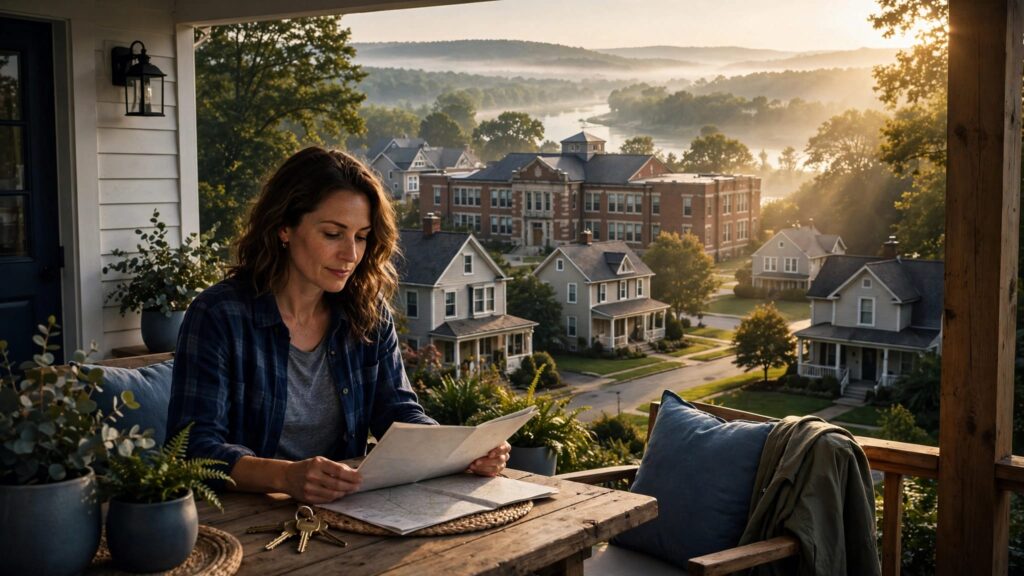
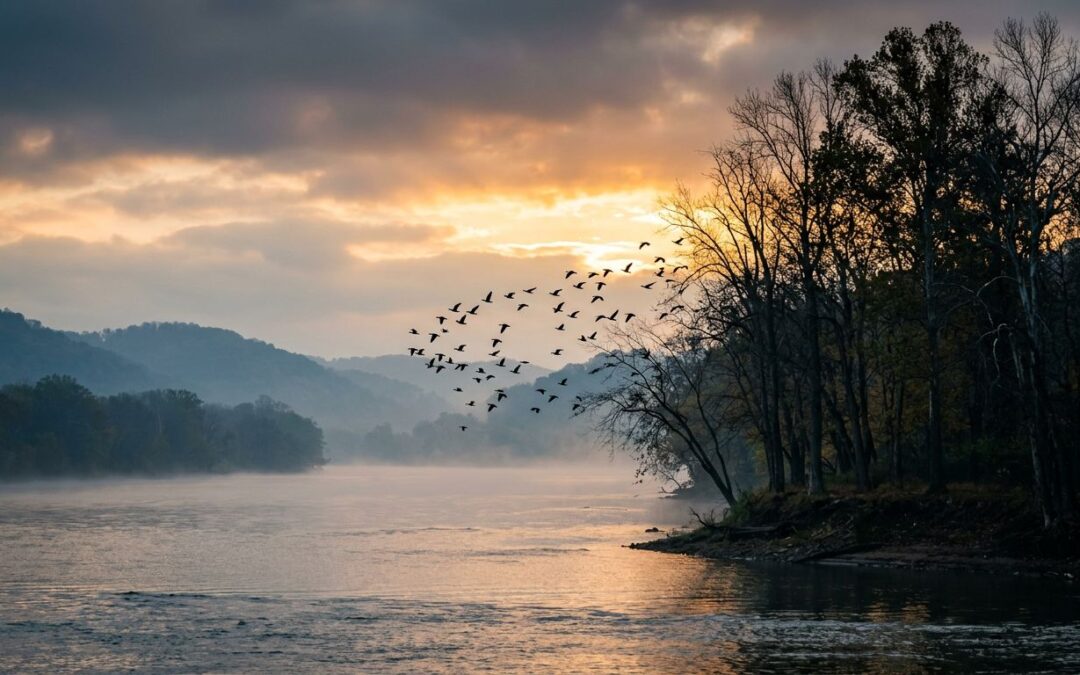
Birdwatching in Northern Kentucky rewards patience, not noise. We do not need to force a sighting when the land itself is already speaking.
We sit between river corridors, wooded parks, lake edges, and quiet overlooks, so we can watch a wide spread of birds without leaving our corner of the state. For a wider Kentucky frame, these Kentucky bird-watching spots show how often water and cover keep pulling birds to the same places.
These are the best birdwatching spots in Northern Kentucky because they hold habitat, and habitat is what matters. That is the plain truth.
Why Northern Kentucky works so well for birdwatching
Birds love edges. They feed where water meets shore, where woods open into fields, and where tall trees give way to quiet clearings. Northern Kentucky is full of those edges, and that is why a good morning here can feel fuller than a long drive elsewhere.
We also get the benefit of movement. The Ohio River is a migration corridor, and the hills above it give us high ground for watching birds pass through or settle down. In spring and fall, we can watch songbirds work the trees. In winter, we often see waterfowl, gulls, and hawks using the river and the wind.
If we want a broader look at the state's birding strength, ten birding hotspots in Kentucky makes the pattern clear. Water, woods, and open space keep showing up again and again.
That is the rule here. The places that look calm to us are often full of work for the birds.
Ohio River mornings and the overlooks above it
The river is not scenery first. It is a living corridor, and the best time to read it is early, before the day gets loud. We like to stand where the view opens up, then let our eyes settle on the water, the trees, and the sky in that order.
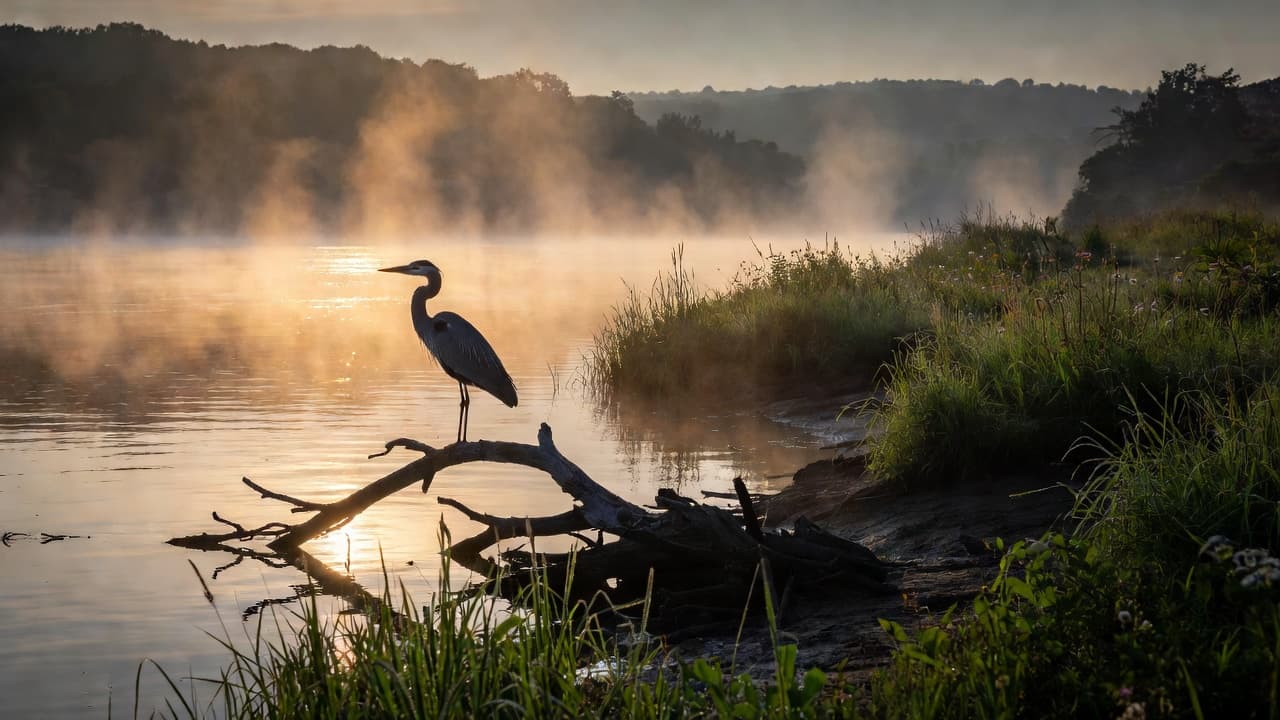
Covington and the higher ground nearby give us some of the best river watching around. Devou Park is especially useful because it gives us both elevation and trees. That matters. A birding spot with a clean overlook can show us soaring raptors and passing waterbirds, while the wooded edges hold smaller birds that move fast and stay low.
We should not expect the same birds every day. That is not how the river works. Some mornings are full of motion, some are quiet, and some require us to keep watching until the light changes. But if we stay still long enough, we often see herons, kingfishers, gulls, and hawks working the corridor.
This is why the river matters so much to birdwatching in Northern Kentucky. The river keeps bringing life through the region, and our job is to be there when it passes.
Woods, lakes, and the parks that hold the small birds
Not every good birding spot looks dramatic. Some of the best places are the ones that hold cover, water, and a little silence. Big Bone Lick State Historic Site is one of those places. The wetlands and open areas give us room to watch birds move across the marshy edges, and the trails make it easy to slow down without feeling lost.
A.J. Jolly Park gives us another kind of birding day. The lake, the trail network, and the mixed habitat create the sort of place where waterbirds and songbirds can both show up on the same outing. Doe Run Lake Park does the same thing in its own steadier way. We get water, trees, and the kind of edge habitat birds use all day long.
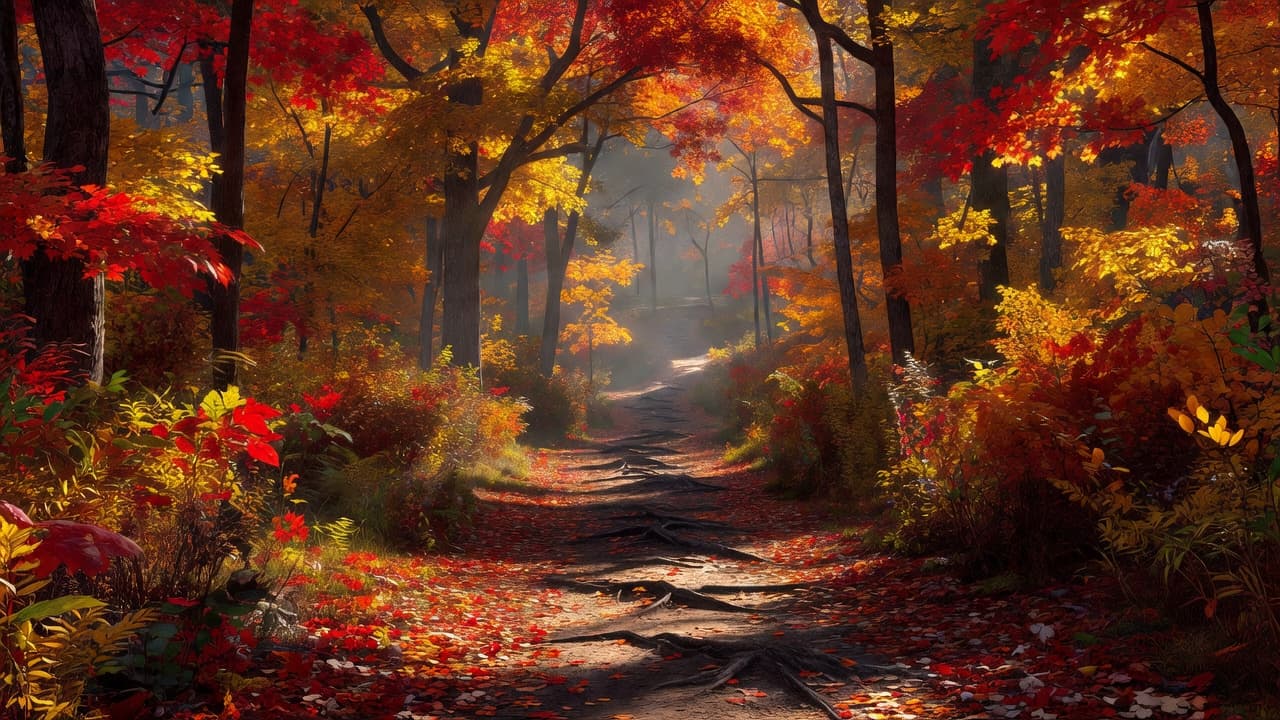
Devou Park belongs in this group too, because a strong birding day often begins in the woods and ends at an overlook. We like that kind of progression. It keeps the eye alert and the pace honest.
If we want to stretch the visit into a family outing, we can also pair the trip with one of these family-friendly nature parks for picnics. A packed lunch does not weaken the birding day. Done right, it gives us more time to stay outside and keep watching.
A practical route for one full birding day
A good birding day does not need to be complicated. We start where the view is open, move into the woods, then finish near water or meadow edges. That order keeps us reading the land instead of wandering without purpose.
Here is a simple comparison of the places that reward us most often:
| Spot | What it gives us | Birds we might see | Best time |
|---|---|---|---|
| Devou Park | High overlooks, woods, and migration views | Hawks, woodpeckers, songbirds | Early morning |
| Big Bone Lick State Historic Site | Wetlands, boardwalks, open habitat | Herons, ducks, marsh birds, blackbirds | Morning and late afternoon |
| A.J. Jolly Park | Lake edges, trails, mixed cover | Waterfowl, robins, sparrows, raptors | Sunrise and dusk |
| Doe Run Lake Park | Quiet water, tree cover, calm trails | Herons, small songbirds, diving birds | Mid-morning |
That table tells the truth plainly. Water, trees, and open space make the best mix, and Northern Kentucky gives us all three within a short drive.
We do not need to rush between sites either. One good stop can carry the morning if we watch carefully enough. The point is not to collect miles. The point is to pay attention.
What to bring, and how to watch well
Birdwatching asks for simple tools and serious attention. Binoculars help, of course, but they do not replace patience. A field guide or bird app helps us name what we see, and a notebook can turn a casual outing into something we remember.
We should keep our clothing plain and our movement slow. Birds notice quick motion. They notice noise too. If we walk like we own the trail, we will miss half the trail.
Quiet is not empty. It is the condition that lets the birds keep their own schedule.
A short list keeps us honest:
- Binoculars that feel comfortable in the hand
- Shoes that can handle damp trails or uneven ground
- Water and a little patience
- A phone on silent, because the birds do not need our alerts
We also need timing. Dawn is often best, but cloudy days can be excellent too. Wind matters. So does the season. Spring brings movement, fall brings passage, winter sharpens the river corridor, and summer asks us to listen more than we look.
That is the discipline of birding. We do not command the birds. We meet them where they already are.
Conclusion
Northern Kentucky gives us birding that is honest and close at hand. We do not need to travel far to find river overlooks, wooded parks, lake edges, and the kind of quiet that brings birds into view.
If we want the strongest results, we should keep returning to the same places and learning them well. The birds follow habitat, and habitat is everywhere here if we have the patience to notice it.
So we keep our binoculars ready, we leave room for silence, and we let the morning do its work.