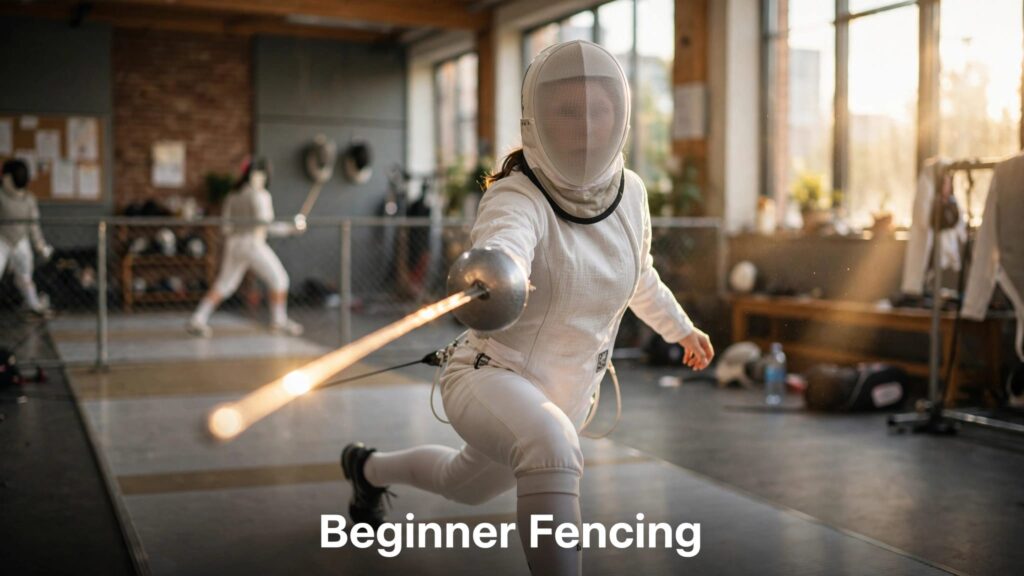
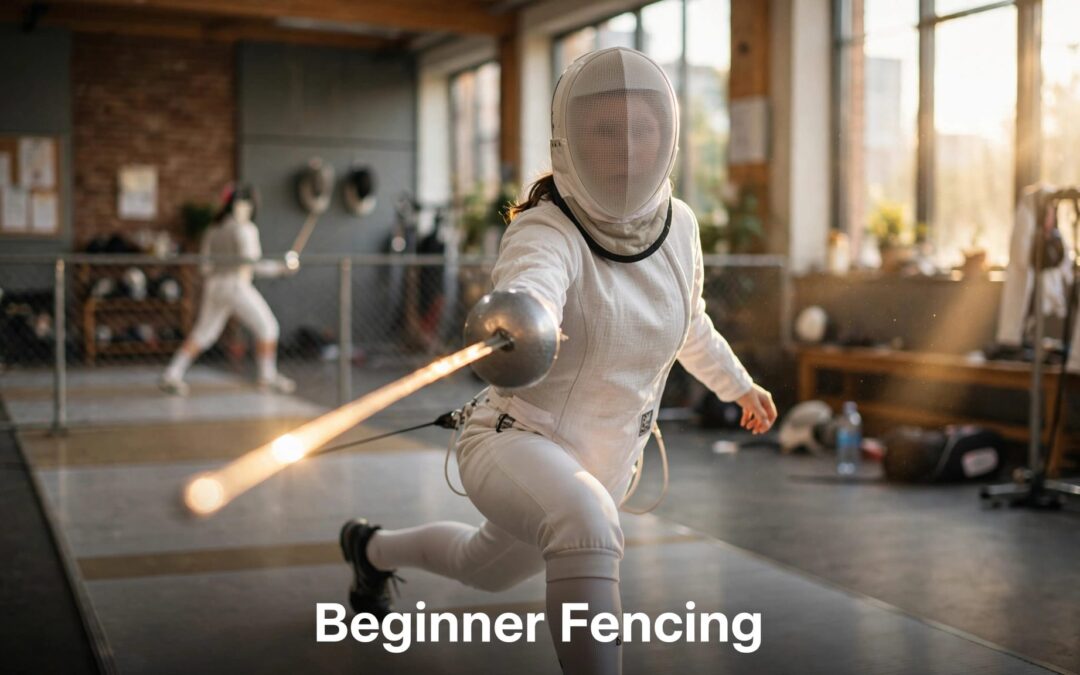
For beginner fencing classes near Northern Kentucky, Cincinnati Fencing Club's introductory course offers seven sessions of foil instruction for ages 10 and older. The classes take place across the river in Cincinnati, so the Ohio address belongs in your travel plans.
We recommend beginning with supervised instruction and provided equipment, because learning the rules should come before buying a weapon. Whether you live here or you're spending an extended vacation in our part of Kentucky, give the lesson enough time to be worthwhile.
Key Takeaways
- Cincinnati Fencing Club teaches beginner foil at Clifton Community Center, 320 McAlpin Avenue, Cincinnati.
- The course includes seven classes, with separate charges of $50 for instruction and $20 for equipment rental.
- A Cincinnati Recreation Commission membership is required, with an additional annual fee based on age.
- Monday instruction begins at 7 p.m. and usually finishes around 8:45 p.m.; first-class arrival is earlier for paperwork.
A beginner course requires attention and repeat attendance. Build your plans around that commitment before adding it to a Kentucky visit.
Beginner Fencing Classes Near Northern Kentucky
Cincinnati Fencing Club in Clifton
Cincinnati Fencing Club offers a defined starting point: beginner foil instruction, a seven-class course, and equipment available for classroom use. That gives a new student a foundation without requiring a personal equipment purchase before the first lesson.
The location is Clifton Community Center, 320 McAlpin Avenue, Cincinnati, Ohio 45220. Keep that distinction clear. This is a regional option for Northern Kentucky families, rather than a Kentucky-side fencing school.
The beginner class accepts participants ages 10 and older, and the club doesn't divide that course by age or gender. Adults and children therefore enter through the same introductory program, rather than separate advertised beginner tracks.
Monday Evening Class Times
Instruction begins at 7 p.m. on Mondays, with classes typically ending around 8:45 p.m. The club directs first-time participants to arrive around 6:15 p.m. for paperwork. For later classes, the listed arrival time is around 6:45 p.m.
The course consists of seven classes, which aren't necessarily seven consecutive weeks. Its attendance structure allows missed classes to be made up.
The club's beginner instructions allow registration and recreation membership purchase on the first night. We recommend treating that earlier arrival as part of the lesson itself. Paperwork, finding the room, and getting equipment all belong in the evening's schedule.
Understand the Full Beginner Course Cost
The instructional charge is $50 for seven sessions, paid to Clifton Community Center. Equipment rental is another $20 per participant for the course, paid to Cincinnati Fencing Club.
The rental includes a mask, jacket, glove, and foil for class use. Those items remain with the program; you don't take them home between lessons.
A required Cincinnati Recreation Commission membership adds an annual charge. The beginner information lists these age-based fees:
| Participant Age | Annual Recreation Membership |
|---|---|
| 17 and Under | $2 |
| 18 Through 24 | $10 |
| 25 Through 49 | $25 |
| 50 and Older | $10 |
The important distinction is between the course charges and the recreation membership. They cover different things, and the membership belongs in your budget alongside instruction and rental.
We recommend using the loaner equipment while you learn. A beginner needs time to understand the sport before choosing personal gear, and a family needs time to decide whether regular attendance fits ordinary life.
Keep travel in the budget, too. For a Northern Kentucky household, repeated trips across the river are part of the commitment. A reasonable class fee doesn't remove the time required to attend.
What Beginner Fencing Instruction Should Teach
Footwork Comes Before Speed
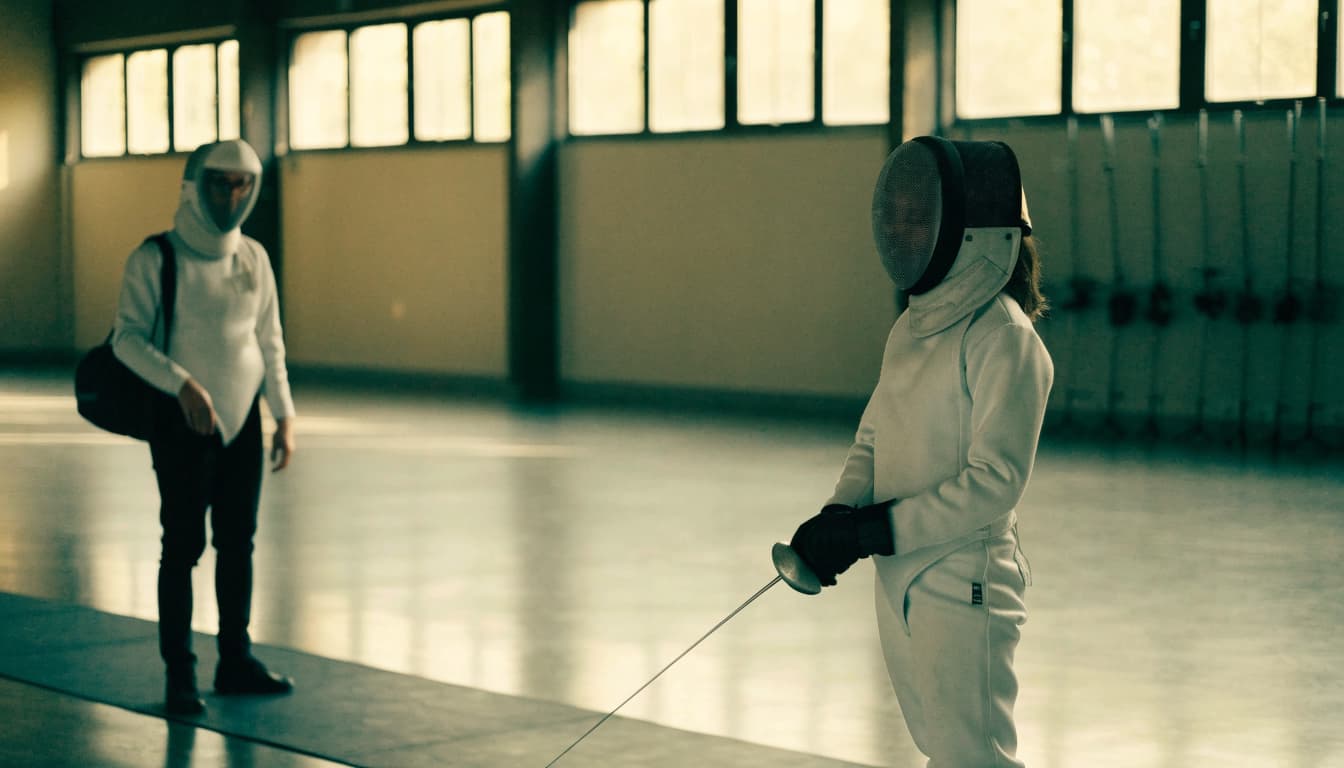
Fencing begins with controlled movement. You learn how to stand, how to advance, how to retreat, and how to judge the space between yourself and another fencer.
Distance means the space that determines whether an attack can reach. Timing means choosing when to act within that distance. These ideas give purpose to the movement; without them, a beginner can move quickly while accomplishing very little.
We recommend valuing clear instruction over the appearance of excitement. Repeating a movement slowly gives the instructor something to correct. That correction matters more than rushing into a bout before you understand what your feet and weapon should do.
A successful first lesson gives you something you can explain and repeat. Winning isn't the measure of whether you learned.
Learn the Weapon and the Scoring
Cincinnati Fencing Club's beginner course teaches foil, one of fencing's three weapons. Foil, epee, and saber have different target areas and scoring rules, so the weapon matters when you compare programs.
In foil, touches are made with the tip, and the valid target is the torso. Foil also uses right-of-way rules, which determine priority when both fencers register a touch.
This means beginners must learn more than how to reach an opponent. They must understand the sequence of an attack, a defense, and a response. We recommend staying with the instructor's explanation until those distinctions become clear. Speed has value only when the action follows the rules.
Prepare for the Lesson With Care
Dress for Movement
We recommend comfortable athletic clothing that allows you to bend your knees and move without restriction. Supportive athletic shoes are a sensible starting point. Leave sandals and clothing that catches underfoot out of the lesson.
Bring water, and arrive with enough time to settle before instruction begins. A child who enters tired, hungry, or hurried has another difficulty to overcome before learning starts.
The club supplies its listed rental equipment, so beginners don't need to arrive carrying a purchased foil or mask. Let the instructor direct equipment fitting and explain how the class uses it.
Attention Matters as Much as Age
Cincinnati Magazine's introduction to the club also identifies 10 as its starting age. Age, however, doesn't tell the whole story of a child's readiness.
A beginner must listen when an instructor stops an activity, respect another student's space, and accept correction without turning practice into a contest.
We recommend describing those expectations before the lesson. Tell your child that learning includes waiting, repeating, and being corrected. Those are ordinary parts of instruction.
If a younger child needs a different activity, our guide to kids' martial arts schools offers another direction for comparing age-appropriate lessons.
Fit Fencing Into a Northern Kentucky Visit
Give the Lesson Enough Room
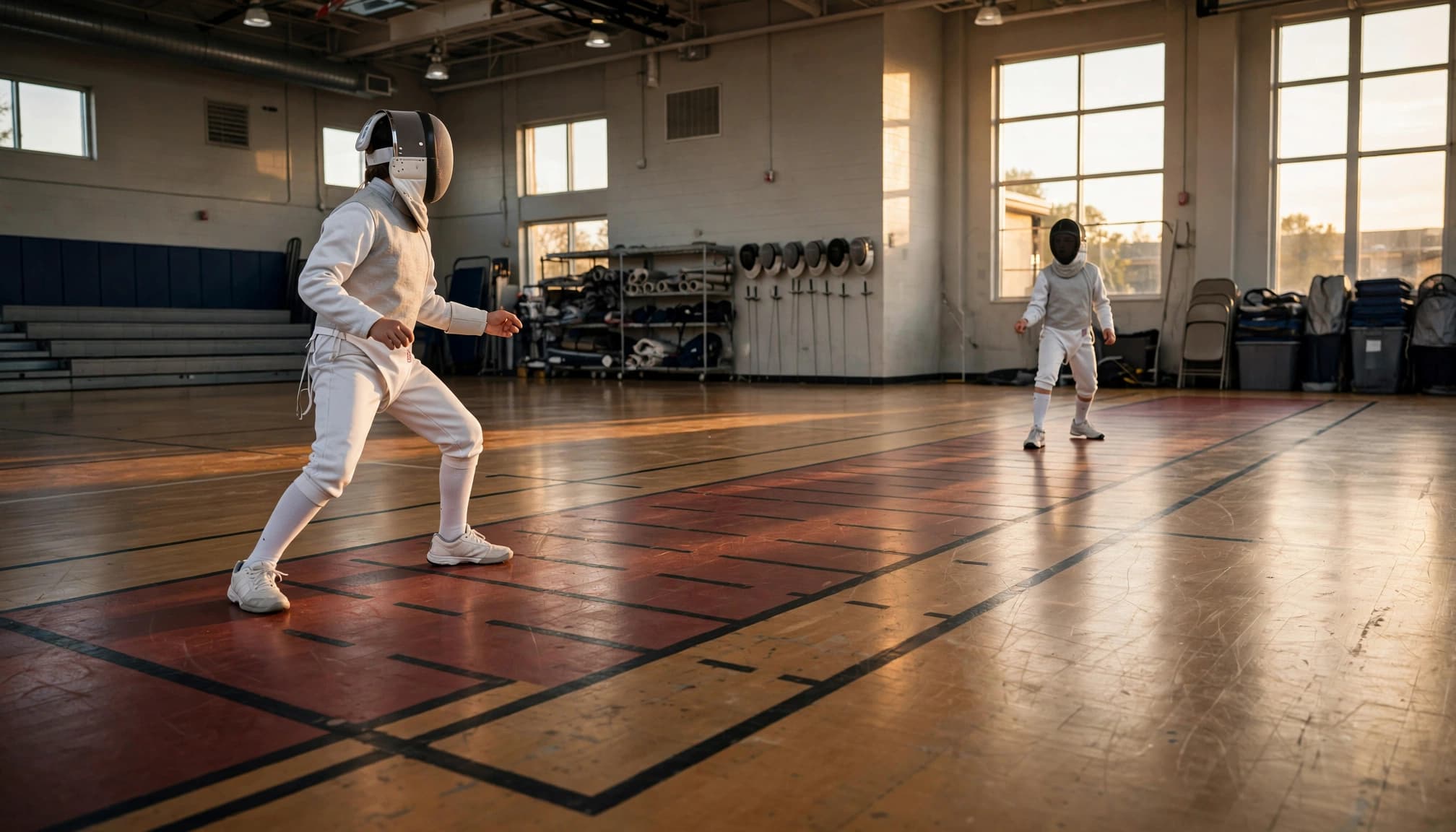
Here in Northern Kentucky, we recommend building the day around one main activity. A fencing lesson deserves attention, and children deserve time to recover their energy afterward.
For this Monday evening course, a substantial attraction visit belongs earlier in the day or on another day. After an 8:45 p.m. finish, returning to your lodging is a sound plan.
If you're staying in Covington, Newport, or farther south, allow room for the river crossing, parking, and finding the classroom. The first-night arrival instruction is 6:15 p.m., not the 7 p.m. teaching time.
Also consider relatives who aren't fencing. A family plan should include them without requiring everyone to share the same activity.
Choose One Kentucky-Side Stop
For a separate daytime outing, Goebel Park in Covington has a playground and its distinctive clock tower. It's a manageable choice when children need outdoor movement rather than another structured lesson.
Newport on the Levee offers a different setting, with dining, shops, and riverfront surroundings. We recommend leaving that visit flexible instead of attaching another demanding appointment to it.
Our guide to Northern Kentucky family activities can help you shape the rest of a longer stay. When weather limits outdoor plans, our Northern Kentucky indoor activities guide provides other options.
The purpose of an outing is time together. Additional stops should support that purpose, rather than leave the family exhausted before class begins.
Frequently Asked Questions
Can Adults Begin Without Any Fencing Experience?
Yes. Cincinnati Fencing Club's introductory course accepts participants ages 10 and older, including adults, and it teaches beginner foil.
We recommend entering as a learner without measuring yourself against experienced fencers. Adults need the same foundation children need: controlled movement, attention to instruction, and an understanding of the rules. Previous experience isn't a requirement for beginning.
Can a Parent and Child Take the Same Beginner Course?
The beginner program doesn't separate participants by age or gender, and children must meet the minimum age of 10.
That makes the course a practical option for a parent and an eligible child who both want to learn. Each participant has their own instructional, rental, and applicable recreation membership charges. Budget for the people participating, rather than treating the lesson as one family admission.
Does This Course Fit a Short Vacation?
The seven-session format is better suited to local families or an extended stay than a brief weekend visit. Its Monday evening schedule also matters when choosing travel dates.
The published course structure doesn't establish a one-day visitor package. We wouldn't present it as a drop-in attraction. For a short Kentucky vacation, choose activities whose format matches the time you have.
Begin With Instruction the Family Can Sustain
Beginner fencing near Northern Kentucky offers families a chance to learn a demanding sport through patient, supervised practice. Cincinnati Fencing Club provides a defined course, loaner equipment, and published charges across the river.
We recommend choosing it for the instruction and the commitment it requires. Give the lesson its place, keep the rest of your Kentucky visit manageable, and leave enough room for your family to enjoy both.