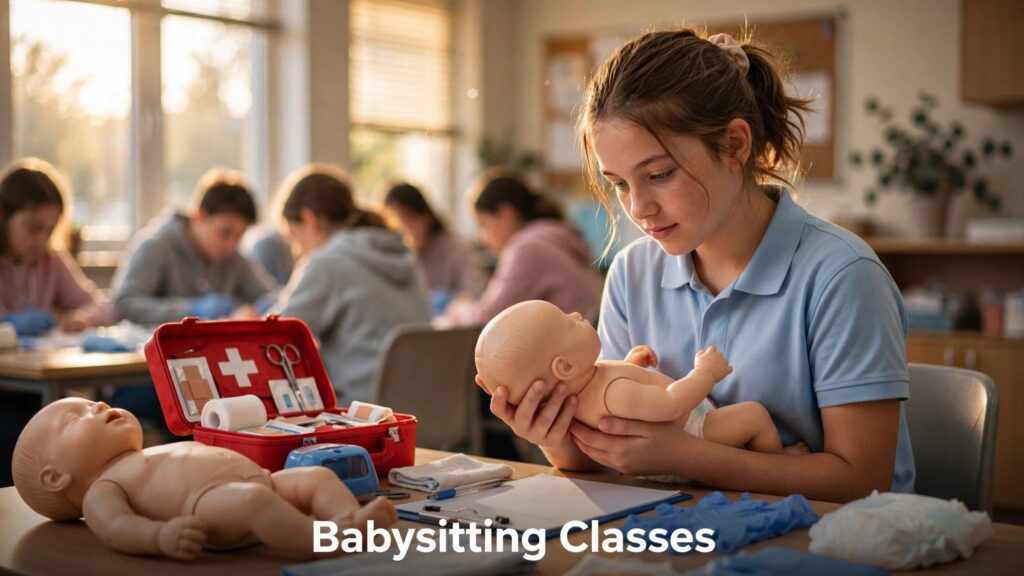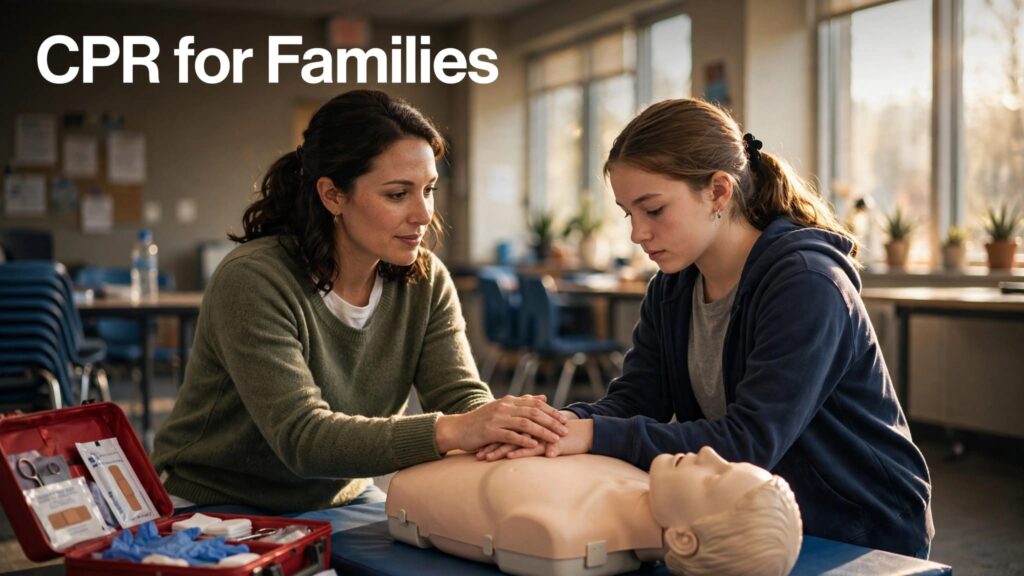
Teen babysitting classes teach child care, safety, emergency response, and the judgment required when another family places a child in your care. In Northern Kentucky, St. Elizabeth Healthcare lists a $20 Safe Sitter class for ages 11 and older, while American Red Cross courses offer additional in-person and online paths.
We recommend beginning with the responsibility your teen is preparing to carry, because caring for an infant requires different preparation than supervising a school-age child. Here in Kentucky, a worthwhile class can fit alongside family time, but the instruction deserves your teen's full attention.
Key Takeaways
- St. Elizabeth's Safe Sitter class costs $20, serves ages 11 and older, and doesn't include CPR.
- Babysitting courses cover everyday care, behavior, safety, communication, and emergency decisions.
- CPR instruction and babysitting education prepare teens for related but different responsibilities.
- Age eligibility opens the classroom door; readiness determines which babysitting jobs a teen should accept.
Northern Kentucky Babysitting Course Options
Begin with the course's purpose. A local classroom, a self-paced introduction, and a longer caregiving course ask different things of your teen.
St. Elizabeth’s Local Safe Sitter Class
St. Elizabeth's Safe Sitter program provides in-person instruction for girls and boys ages 11 and older at $20 per participant. It serves residents of Northern Kentucky, Greater Cincinnati, and southeastern Indiana.
Lessons address safety, child development, activities, behavior, first aid, choking, emergencies, and babysitting as a business. Students receive a manual and certificate. Enrollment requires online registration, required forms, and prepayment. CPR isn't provided in this class, so families should treat that preparation separately.
Red Cross In-Person Training
American Red Cross babysitting classes prepare ages 11 through 16 to care for infants and children. The approximately five-hour Babysitter's Training course combines hands-on activities, videos, and discussion.
Instruction includes feeding, diapering, holding children, safety, and emergency response. The version with Pediatric First Aid/CPR/AED takes just over seven hours. We recommend the hands-on format when your teen needs instruction, correction, and another opportunity to practice a physical skill.
Online Courses Serve Different Ages
The Red Cross child care training options include Babysitting Basics, a self-paced course for ages 11 and older that takes approximately four hours.
Advanced Child Care Training serves ages 16 and older and takes approximately four and a half hours. Both provide completion certificates after a passed final exam. Online instruction offers flexibility, but families shouldn't confuse completing online lessons with practicing emergency skills under an instructor's supervision.
What Teen Babysitting Classes Teach
Babysitting means accepting responsibility for a child's immediate care while the parent is away. That responsibility includes ordinary moments, repeated instructions, and decisions that must be made before a problem becomes an emergency.
Infant Care and Everyday Needs
Basic care includes feeding, diapering, holding, and understanding that children need different help at different stages. A teen needs to understand those differences before agreeing to care for a younger child.
Parents' instructions belong at the center of the job. Feeding routines, allergies, bedtime expectations, comfort items, and restrictions must be understood rather than guessed.
We recommend treating infant care as its own responsibility. Enjoying babies doesn't establish readiness to care for one alone. Instruction gives a teen a foundation; supervised practice gives the teen an opportunity to apply it while an adult remains responsible.
Activities and Behavior Management
Age-appropriate activities are activities a child can safely understand and participate in. A toddler and an older child don't need the same toys, the same explanations, or the same level of help.
Courses also address behavior management. That means giving clear directions, redirecting attention, and responding without anger when a child resists a routine.
The Safe Sitter curriculum connects child care with safety, first aid, choking rescue, and business skills. We favor that broader preparation because a sitter must keep a child occupied while remaining attentive to the child's needs.
Emergency Preparation Requires Practice
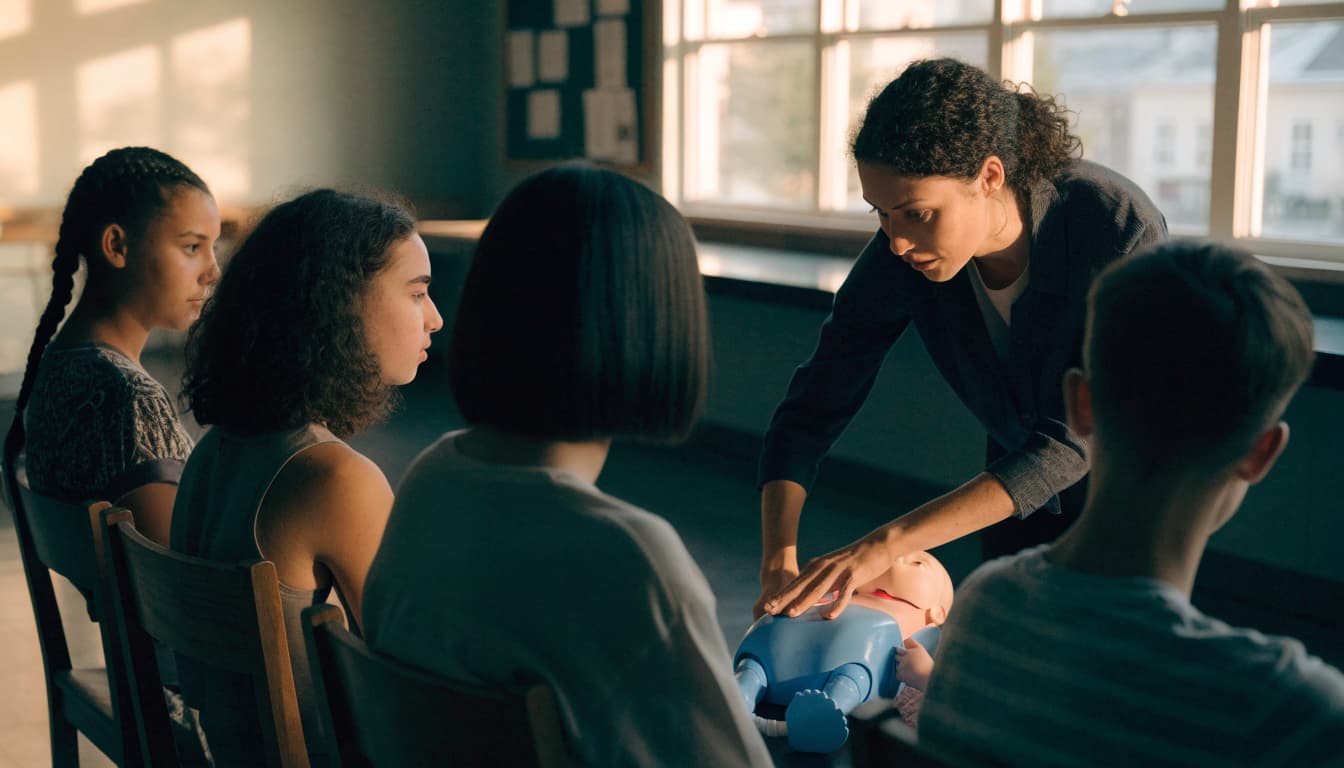
Emergency preparation begins before anything goes wrong. Teens need to recognize danger, understand when adult help is necessary, and communicate clearly when immediate assistance is needed.
Safety and First Aid
Safety instruction teaches teens to notice unsafe situations rather than depend on a quick reaction afterward. Household hazards, access to emergency contacts, and knowing the home's address all belong in that preparation.
First aid addresses immediate care for injury or illness. Choking response addresses another urgent situation. A course may teach these subjects without providing a separate CPR certification.
We recommend giving emergency communication the same attention as the physical skills. A sitter must be able to explain where help is needed, what happened, and who is affected.
CPR and Course Credentials
CPR means cardiopulmonary resuscitation. An AED is an automated external defibrillator, a device that analyzes heart rhythm and provides a shock when indicated.
For babysitters, instruction involving infants and children matters. Our guide to Northern Kentucky CPR classes explains local family instruction and first aid, CPR, and AED certification options.
A babysitting certificate doesn't establish that a teen has earned a separate pediatric CPR credential.
Hands-on instruction gives a learner time to perform a skill, receive correction, and practice again. We recommend pairing caregiving education with emergency training appropriate to the children your teen expects to supervise.
Communication Is Part of the Job
A babysitter must listen carefully before the parent leaves and speak honestly when something exceeds the sitter's ability. Responsibility includes knowing when to seek help, not merely being willing to stay with a child.
The business side of babysitting gives that responsibility a practical form. Safe Sitter instruction includes evaluating jobs, discussing wages, and communicating with the adults hiring the sitter.
Before accepting work, a teen needs a clear understanding of the children's ages, the number of children, the expected hours, and the duties involved. Transportation home and an available adult contact belong in that agreement.
We recommend having these conversations with a parent or guardian before the first job. A teen shouldn't feel pressured to accept unfamiliar responsibilities because a family needs help.
Clear limits protect both families. A sitter who can explain what they are prepared to do gives parents useful information. A sitter who conceals uncertainty leaves an important part of the arrangement unsettled.
Course instruction should help teens speak respectfully, arrive prepared, and communicate concerns without delay.
Readiness Continues After Class
Completing a course is a beginning. Readiness means being able to follow instructions, remain attentive, and respond appropriately when a child needs help.
We recommend supervised caregiving after class, particularly when a teen has little experience with the age group involved. Helping with meals, activities, and routines while an adult remains present gives those lessons a practical setting.
Attention matters throughout the job. A child still requires supervision when the evening becomes familiar, when a phone receives a message, or when the child seems content.
The first independent assignment should fit the teen's preparation. The number of children, their ages, the length of the job, and any additional needs all affect the responsibility.
Parents and teens should discuss these limits together. A course's minimum age tells you who may enroll; it doesn't tell you that every eligible student is ready for every household. We favor steady preparation over rushing toward the first paid job.
Leave Room for a Northern Kentucky Family Outing
A class can be one worthwhile part of a Northern Kentucky visit without occupying the whole trip. We recommend keeping the rest of the day manageable, especially after several hours of instruction.

In Covington, Behringer-Crawford Museum at 1600 Montague Road offers regional history, artifacts, and model train displays. It gives families a Kentucky-focused stop where younger children and teens can find different things to notice.
For outdoor time, Goebel Park at 501 Philadelphia Street has a playground and a distinctive clock tower. A simple park visit leaves room to move without adding another demanding appointment.
Keep the outing separate from caregiving practice. Your teen can enjoy being part of the family rather than being expected to supervise younger children immediately after training.
Frequently Asked Questions
What Age Can a Teen Start Babysitting Classes?
St. Elizabeth's Safe Sitter class begins at age 11. Red Cross Babysitter's Training serves ages 11 through 16. National Safe Sitter guidance for parents places its babysitting programs in grades six through eight. These are course eligibility ranges, not a judgment about an individual teen's readiness for independent work.
How Much Is the Local Safe Sitter Class?
St. Elizabeth lists its class at $20 per participant, with a manual and certificate included. Required forms and prepayment are part of registration. We recommend considering the instruction alongside the price, because everyday care, emergency decisions, and communication all belong in a sitter's preparation.
Can an Online Course Replace Hands-On Practice?
Online courses can teach caregiving concepts, safety decisions, and professional expectations. Physical skills require practice. We recommend treating self-paced instruction as part of preparation rather than assuming a passed exam demonstrates every skill a teen may need while caring for a child.
Choose Preparation That Matches the Responsibility
The strongest reason to take teen babysitting classes is the responsibility a young caregiver is preparing to accept. Sound judgment, attentive care, and practiced emergency skills each have a place in that preparation.
Here in Northern Kentucky, we recommend beginning with instruction suited to your teen's age, then building experience at a sensible pace. A certificate records completed learning; the child's care requires that learning to be understood and applied.