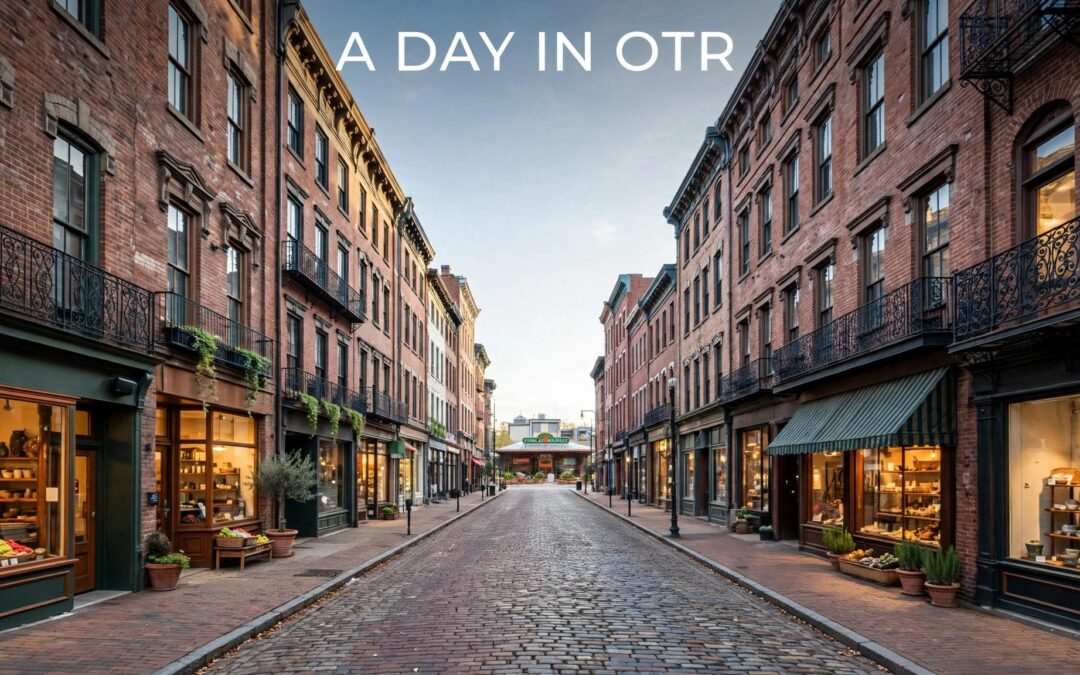
A Northern Kentucky visit can include a full day across the Ohio River without leaving the region's story behind. Over-the-Rhine Cincinnati is a historic neighborhood of brick streets, food, music, and landmarks, and it makes a natural extension to time in Covington or Newport.
We recommend giving Over-the-Rhine room on the itinerary instead of rushing through it between attractions. Its history deserves attention, and the best walk includes time to stop, eat, and look around.
What Over-the-Rhine Is and Why It Matters
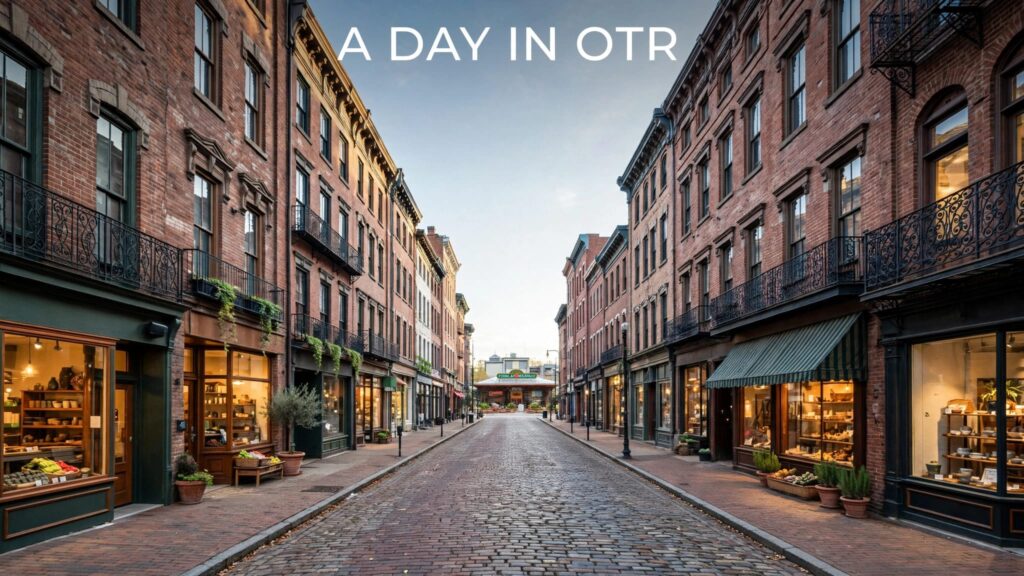
Over-the-Rhine, usually shortened to OTR, is a residential neighborhood in Cincinnati, Ohio, just north of Central Parkway. As a historic district, OTR is one of the largest and most intact urban districts in the United States. Its compact streets and historic buildings sit close to downtown.
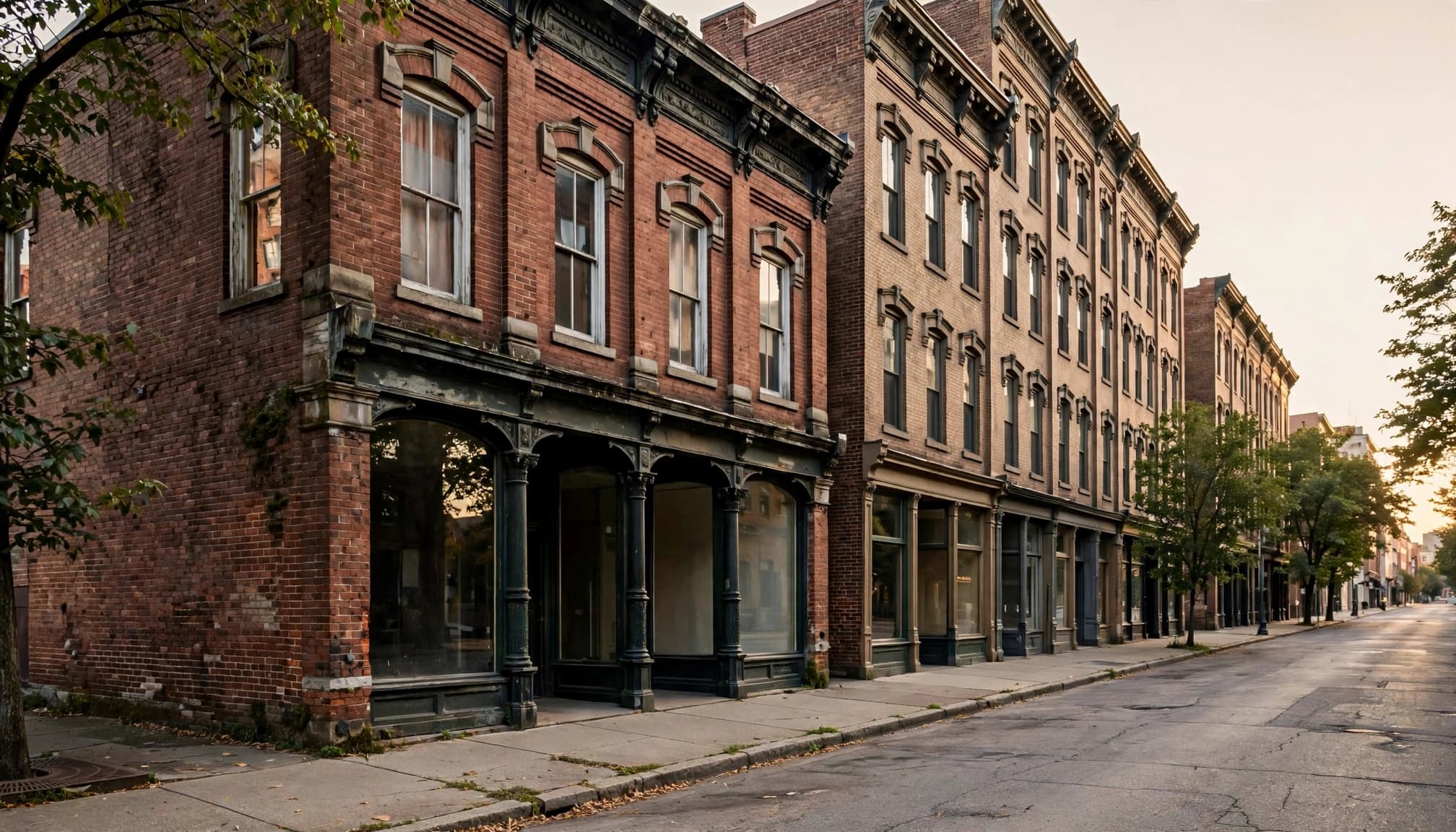
The neighborhood is known for the country's largest collection of well-preserved Italianate architecture. That historic architecture also includes Greek Revival, Late Victorian, Queen Anne, and Art Deco buildings. The city's guide to Cincinnati's Italianate architecture offers context for the style that gives many OTR streets their distinctive look.
How OTR’s History Shaped the Neighborhood
The streets visitors walk today carry several layers of history. German settlement shaped the neighborhood's name and built much of its early community life, while later population changes and redevelopment reshaped who could live there.
The Canal Behind the Name
The Miami and Erie Canal once separated this neighborhood from downtown Cincinnati. German immigrants joked that crossing the canal felt like crossing the Rhine, the river in Germany. The traveler Ferenc Pulszky recorded the nickname in 1853, and "Over-the-Rhine" became the name that endured.
The area was first settled by Ohio Rhinelanders and Pennsylvania Dutch. In the mid-20th century, significant African-American and Appalachian communities also made their homes here. OTR was added to the National Register of Historic Places on May 17, 1983, under reference number 83001985. The Over-the-Rhine Chamber's neighborhood history describes the German influence visible in its compact streets, brick buildings, churches, and meeting halls.
That heritage connects across the river. In Newport, German Street was renamed Liberty Street during World War I. A later honorific German Street sign remembered the earlier name, but it did not reverse the renaming. Newport's Turner Hall closed in 1936, another loss that reminds us that regional heritage includes gathering places and public traditions that disappeared, not only the buildings that remain. Our guide to Northern Kentucky's German heritage gives that Kentucky-side story more room.
Decline, Redevelopment, and Displacement
The 2001 Cincinnati riots came before years of decline. By 2009, OTR had been ranked the city's most dangerous neighborhood. That dated description is part of the area's history, not a current safety rating.
The Cincinnati Center City Development Corporation, known as 3CDC, formed in July 2003 and became a major force in redevelopment. By May 2018, it had invested more than $1.3 billion in downtown and OTR real estate and managed four civic spaces. Its work helped remake the Gateway Quarter around Washington Park, but that change came with serious costs: more than 1,000 African-American and low-income residents left between 2000 and 2010 amid gentrification. Redevelopment changed the neighborhood, and its human cost belongs in the account.
Historic Landmarks to See on Your First Walk
A first visit works best when it follows a few clear anchors instead of trying to cover every block. Findlay Market and Music Hall give you two strong places to begin.
Findlay Market and the Brewery District
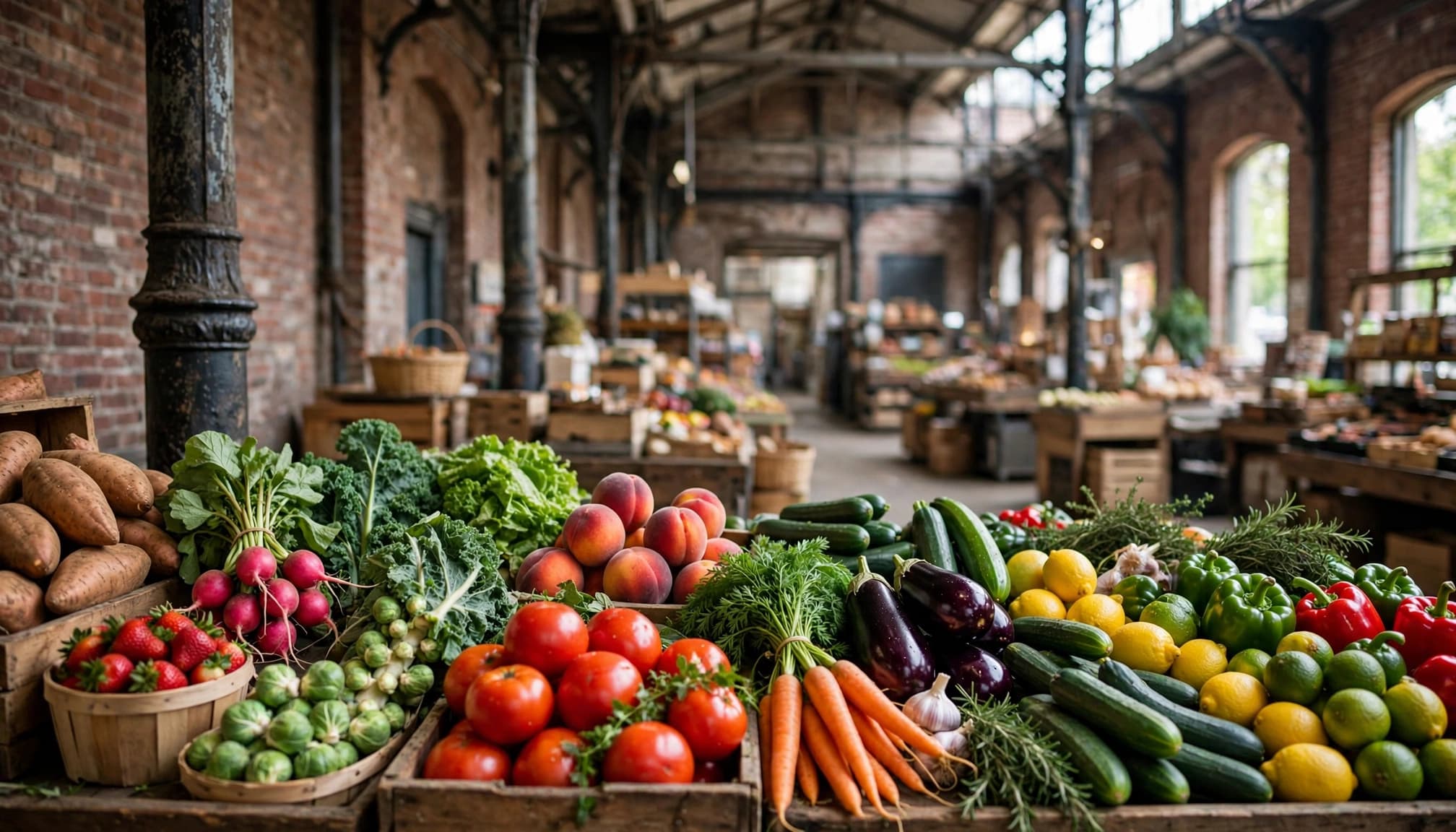
Findlay Market is Ohio's oldest operating public market and one of OTR's central landmarks. Its merchants give visitors a practical reason to linger over lunch, snacks, or a browse through the stalls. The market is at 1801 Race Street. Its posted hours are Tuesday through Friday, 9 a.m. to 6 p.m., Saturday, 8 a.m. to 6 p.m., and Sunday, 10 a.m. to 4 p.m. It is closed Monday. The official Findlay Market hours distinguish the general market schedule from the shorter farmers-market hours.
The Brewery District adds another layer to the walk. Christian Moerlein founded a brewery in OTR in 1853, and the revived Christian Moerlein Brewing Co. began brewing again in the district in 2010. The neighborhood's brewing story is part of its German-American history, not merely a reason to order a drink.
Music Hall and Its Arts Companies
Cincinnati Music Hall is a Venetian Gothic landmark and a defining building in OTR. It is home to the Cincinnati Ballet, Cincinnati Symphony Orchestra, Cincinnati Opera, and Cincinnati Pops Orchestra. The city's Music Hall information covers its history and resident arts organizations.
A performance by the Cincinnati Symphony Orchestra can give you a reason to stay into the evening, but the building is worth seeing even when you are exploring the neighborhood by day. Check the official calendar for a concert, opera, or ballet that fits your visit.
Where to Eat, Drink, and Shop in OTR
Food is an easy part of the outing to plan around. Findlay Market offers a range of merchant choices, while neighborhood bakeries, restaurants, breweries, and taprooms make it simple to keep the day close to your walking route.
Market Stops, Bakeries, and Beer
For a bakery stop, Brown Bear Bakery is a local small-batch option. In the Brewery District, Rhinegeist Brewery occupies a former pre-Prohibition bottling plant associated with Christian Moerlein beer. Its taproom gives visitors a place to pause after walking the market and historic blocks.
We recommend choosing one main meal and leaving room for smaller tastings. Findlay Market is a good starting point for that kind of flexible visit, especially when your group wants different foods rather than one fixed menu. For a broader look at market shopping and nearby browsing, see this Findlay Market shopping guide.
Boutiques and Independent Shops
Vine Street, Main Street, and the blocks around Findlay Market are good areas to browse independent shops and boutiques. Treat shopping as part of the walk rather than a separate destination; the historic storefronts and side streets are part of what makes OTR rewarding on foot.
If you are planning the wider trip, our Northern Kentucky day-trip itinerary helps keep Covington and Newport in the plan, too. Cincinnati can add another chapter to the day without turning Kentucky into a quick stop along the way.
Washington Park, Performances, and a Slower Pace
The park gives visitors a place to sit between landmarks. It is beside Music Hall and close to the Gateway Quarter, so it fits naturally into a walking day. The park's 2012 renovation and expansion was a public-private partnership. Details about the project appear on the Washington Park project page.
The park, market, and performance venues each call for a different pace. A market visit is lively and food-centered; a park stop offers breathing room; a Cincinnati Symphony Orchestra performance can anchor an evening. Let one or two of these lead the day rather than trying to collect every attraction.
Getting Around Over-the-Rhine
OTR is walkable, and walking is the best way to notice its architecture and changing streetscape. Wear comfortable shoes, allow time for stops, and avoid overloading the itinerary with far-apart destinations.
The Connector and Red Bike
The Connector is a free downtown streetcar with 18 stops along a 3.6-mile loop through OTR, downtown, and The Banks. It runs every 15 minutes, with daily service hours listed by the city. The streetcar does not cross the Ohio River, so Northern Kentucky visitors need to plan their river crossing separately. The city's Connector route and station information shows the OTR stops, including Washington Park and Music Hall.
Red Bike is the regional station-based bike-share system, with some electric bikes. Its app shows nearby stations and bike or dock availability. For a route that combines Kentucky-side stops with OTR, use bikes only where they make the day easier; the historic neighborhood itself is often best explored on foot.
A Practical Pace for a Day Trip
Start with Findlay Market, then walk toward the Brewery District or the park. Add Music Hall if a performance or tour fits your schedule. If you are driving, park once in a legal space or garage and explore on foot rather than moving the car between nearby stops.
Our free Northern Kentucky day-trip planner can help you shape a practical itinerary around your starting point, available time, and interests.
Safety and Visitor Questions
Is Over-the-Rhine Safe to Visit?
The neighborhood's 2009 danger ranking is historical and should not be treated as a current assessment. We don't have a verified, current neighborhood crime figure in the information available here, so we won't label all of OTR safe or unsafe.
Use ordinary city awareness: keep valuables secure, stay alert around traffic and crossings, and choose well-used routes after dark. Conditions can differ by block and time, as they can in any urban area.
Where Is OTR, and What Should You See First?
OTR sits immediately north of downtown Cincinnati, across the Ohio River from Northern Kentucky. Findlay Market, Music Hall, and Washington Park are strong first stops because they give you food, architecture, and public space within a compact area.
How Much Time Should You Set Aside?
A few hours can cover the market and a walk through nearby blocks. A fuller day gives you time for a meal, Washington Park, a brewery stop, shopping, or a performance. The right plan depends on what you want to experience, not how many places you can fit on a map.
Key Takeaways
- OTR is a residential Cincinnati neighborhood and one of the country's largest, most intact urban historic districts.
- The canal nickname, German settlement, and layered Black and Appalachian histories all matter to the neighborhood's story.
- Findlay Market, Music Hall, the park beside Music Hall, and the Brewery District make a strong first route.
- The Connector is free within Cincinnati, while Red Bike offers a bike-share option.
- Redevelopment brought investment and public spaces, but gentrification also displaced long-term residents.
Make OTR Part of a Northern Kentucky Visit
Over-the-Rhine is close enough to add naturally to a Northern Kentucky trip, but it has a history and identity of its own. Give the architecture, market, and community story time alongside the meal or performance.
We encourage visitors to enjoy both sides of the river with intention. A good regional trip makes room for Kentucky and Cincinnati, with time for Over-the-Rhine beyond a footnote.