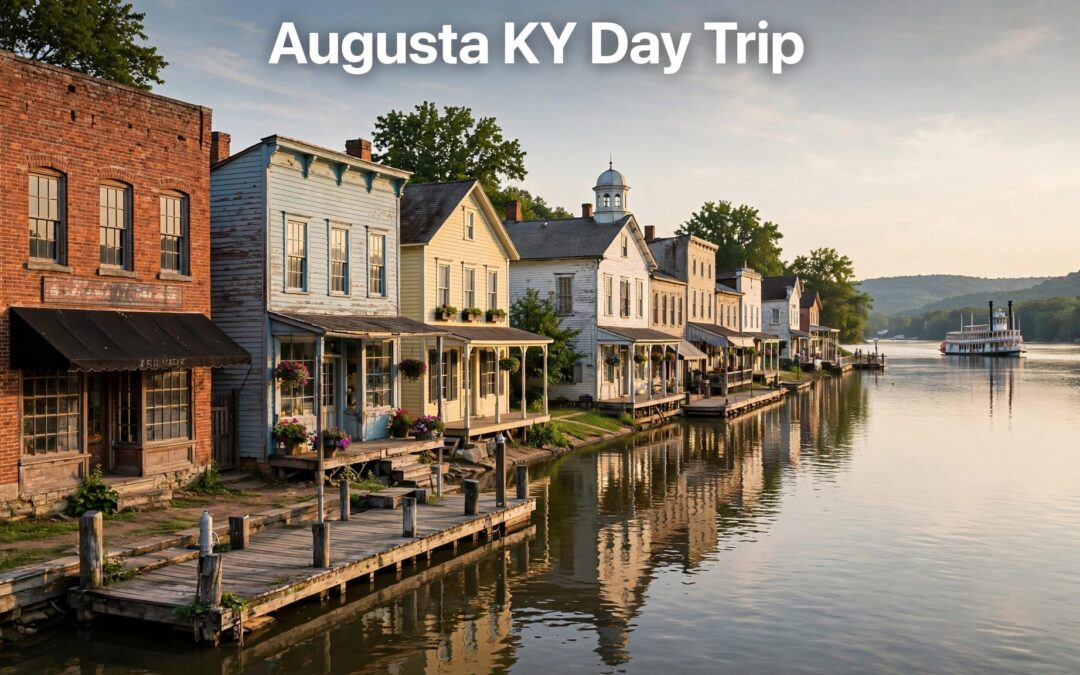
An Augusta KY day trip gives you a walkable stretch of Ohio River history, a home filled with Rosemary Clooney memorabilia, and a downtown shaped by centuries of life along the water. This small historic town in Bracken County has Native American burial grounds. It's an easy choice when you want a change of pace from Northern Kentucky and Cincinnati.
We recommend making the river the thread of your visit. Take time for the historic homes, the lockup, and a slow stop for ice cream, rather than trying to race through every street.
Plan Your Augusta KY Day Trip Around the River
Augusta's main sights sit close together by the river and in the town center. A half day gives you time to visit several landmarks, pause by the river, and enjoy a meal or dessert. There are plenty of things to do along the way. Add more time if you plan to tour the singer's home.
Start near the river, then explore the town's past before finishing on Main Street. This order keeps the day relaxed and makes the walk between stories part of the experience.
| Stop | Suggested time | What to see |
|---|---|---|
| The singer's home | 45 to 90 minutes | Exhibits and the river view |
| Caboose visitor center | 15 to 30 minutes | Local story and visitor information |
| Historic streets and lockup | 60 to 90 minutes | The 1811 lockup, historic homes, and riverfront |
| Main Street | 45 to 60 minutes | A historic tavern and hand-dipped ice cream |
These are planning suggestions, not official tour lengths. Build in a little breathing room, because Augusta rewards a slower pace.
Begin at Rosemary Clooney’s Riverside Drive Home
At 106 East Riverside Drive, the house looks out over the Ohio River. It connects a renowned singer and actress to the river town where she spent part of her life. Visitors can see memorabilia from her career and sit on the property to take in the water.
The singer is also part of the family story behind George Clooney's connection to Augusta. The home includes exhibits about his life in the town and his acting career. For visitors who know him mainly from film and television, that local connection gives the town a familiar face.
The Rosemary Clooney House website is the official source for the home and its exhibits. Make this an early stop if the home is central to your visit, then continue along the street.
Get Oriented at the Caboose and Learn Augusta’s Founding Story
Start at the Main Street Caboose
A train caboose at the corner of the town's main street and the riverfront road houses Augusta's visitors center. It's an easy place to begin because local volunteers can help put the town's landmarks in context. A 2022 visitor account recalls Ms. Dorothy, a volunteer, sharing Augusta's past and the stories behind its riverfront buildings, as described in a report on Augusta's caboose visitor center.
The caboose itself makes the stop memorable, but its greater value is the local perspective. Ask about the places you'll pass on foot, then carry Ms. Dorothy's recollection into the streets.
Follow the Story Back to Captain Philip Buckner
Augusta's founding began with Captain Philip Buckner, a Revolutionary War veteran who received a land grant from Virginia. He brought 40 families to settle the area, then deeded 600 acres to a board of trustees. On October 7, 1797, the Kentucky Legislature granted Augusta its official town charter. The City of Augusta's history records the founding and charter.
The town's past reaches further back. In 1792, John Payne unearthed skeletal remains while building his home. The discovery is evidence that Augusta sits on ancient Native American burial grounds. Keep that past in mind as you walk the older streets: the town's story predates its charter.
Recognize the Underground Railroad Homes
Two Augusta homes are associated with the Underground Railroad. General John Payne's home stood at the corner of Augusta's west riverfront road and Ferry Street. Before the Civil War, it was used to hide runaway slaves before they crossed the river into Ohio.
White Hall, at 212 Elizabeth Street, also sheltered people escaping slavery. These sites connect Augusta's river location to a dangerous, essential part of American history. During the Civil War, people escaping slavery still faced risks as they sought refuge and a route across the river into Ohio.
Treat the homes as historic landmarks to view from public streets. Don't presume that a private residence is open for an interior tour. The City's Augusta attractions listing provides information about local historic sites.
Visit the 1811 Jail
Augusta's 1811 jail is described as Kentucky's oldest lockup. The facility held prisoners until 1978, and its construction makes its purpose plain: solid rock walls are three feet wide and extend four feet into the ground.
First-floor tours have been offered, but they require an appointment. Kentucky Tourism lists weekday appointments from 9 a.m. to 4 p.m. through the KY Tourism Department at 606-756-2183. The 1811 Historic Jail listing provides the official visitor details.
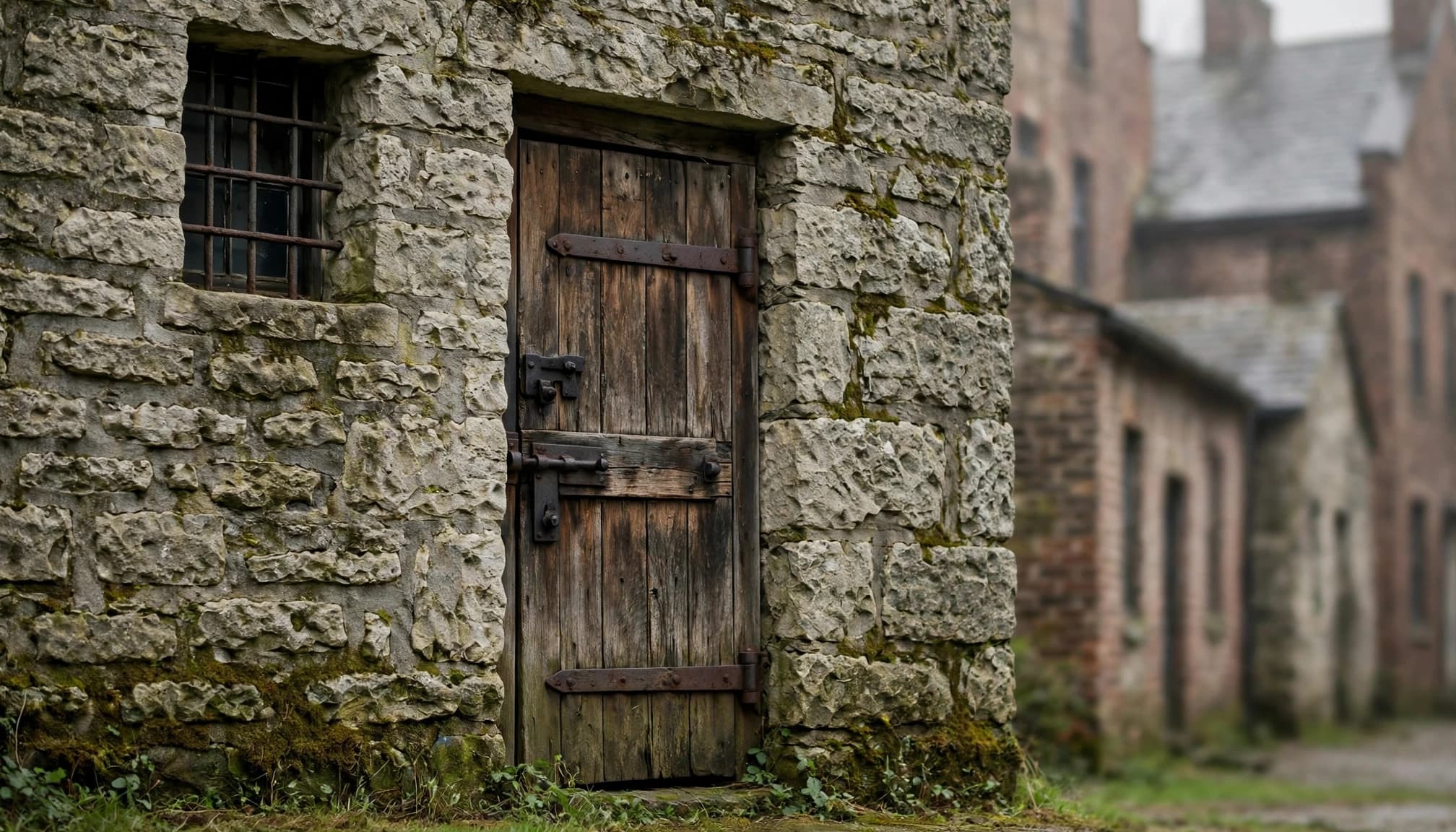
This compact stop carries the weight of the town's early civic life. Look closely at the stonework, then take a moment to imagine how different a lockup built in 1811 was from one built today.
Walk Riverside Drive and Finish on Main Street
Take in the Riverfront Rowhouses
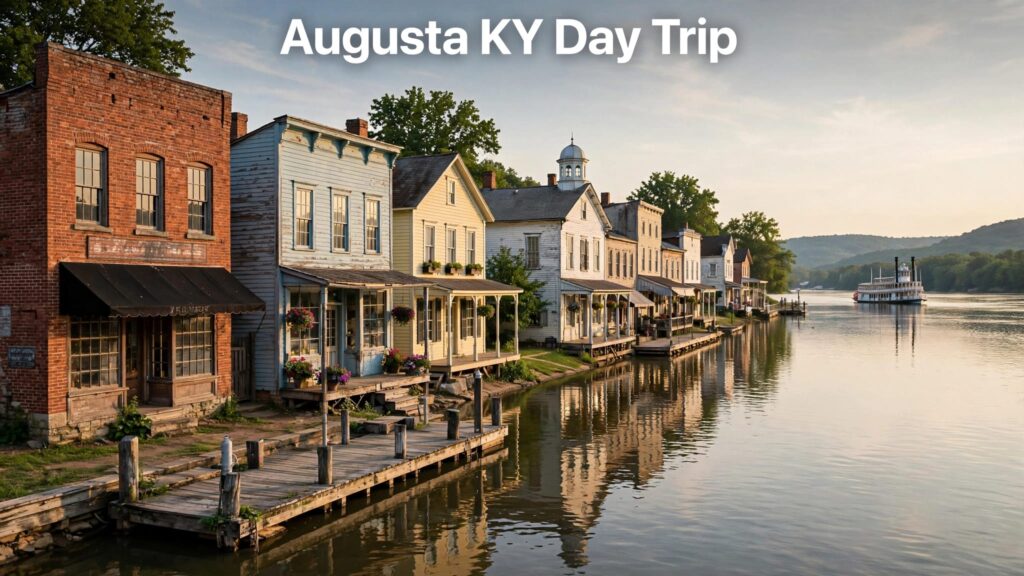
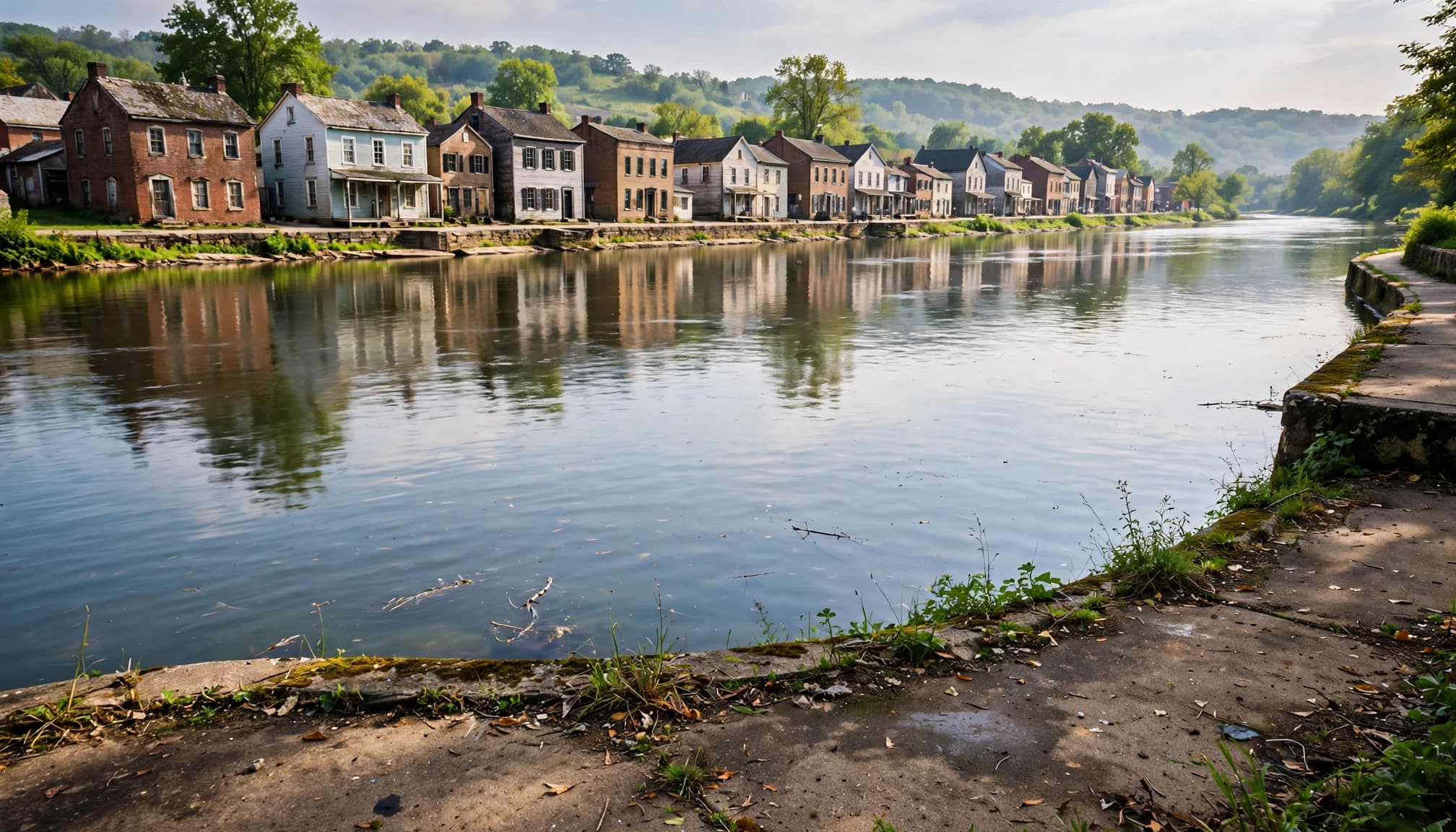
The rowhouses beside the Ohio River form one of Augusta's most distinctive streetscapes. Their architecture and riverfront position give the long line of historic façades a character best appreciated on a slow walk.
The river is more than a backdrop here. It explains the town's shape, its early connections, and the stories of people who traveled through or sought refuge in Augusta. Take an informal Riverwalk along the public riverfront, then look back toward the buildings to see how closely the town and river sit together.
Stop at the Beehive and General Store
The Beehive building dates to 1796 and has held several roles: private residence, pharmacy, and ferry boat office. After years of decline, it was saved in 1985 as The Beehive Augusta Tavern. Its address, 101 West Riverside Drive, ties the building's past to the river traffic that helped sustain Augusta. The tavern's official information page lists its address and contact details.
The Augusta General Store & Gift Shop offers a different kind of pause. Its soda-fountain-style bar and hand-dipped ice cream make it a fitting last stop after a walk through town. The City lists the shop at 109 Main Street on its Augusta General Store page.
Practical Details for a Smooth Visit
The jail has the clearest published tour details: weekday appointments from 9 a.m. to 4 p.m., arranged by calling 606-756-2183. Set that stop around the appointment rather than assuming you can walk in.
For Rosemary Clooney's home, use the official site for visitor information. The tavern's official page provides its address and phone number, 606-756-2137. The visitor center is easy to identify at the downtown intersection, and the shop is at 109.
If you're building a longer outing from the Northern Kentucky side, our Northern Kentucky day-trip planner can help organize the rest of your regional plans. Keep Augusta's walking stops together, and leave room for a meal and river views.
Key Takeaways
- Augusta is a historic Bracken County town on the river, chartered in 1797.
- The riverfront walk connects her home, historic rowhouses, and sites tied to the Underground Railroad.
- The 1811 jail offers appointment tours, arranged by calling 606-756-2183.
- The tavern and downtown shop make easy stops for a meal or hand-dipped ice cream.
Frequently Asked Questions
What Is Augusta, Kentucky, Known For?
Augusta is known for its river setting, early Kentucky history, its historic jail, and its riverfront rowhouses. Its landmarks fit within a compact town center.
Did George Clooney Live in Augusta?
Yes. George Clooney's parents moved to Augusta, and he attended Augusta High School. His aunt's home also includes exhibits about his life in Augusta.
What Movie Was Filmed in Augusta, Kentucky?
The 1978 television miniseries Centennial filmed scenes in Augusta. George Clooney appeared in an uncredited role as a young man carrying a barrel. Kentucky Monthly's account of the production describes the connection.
Can Visitors Tour the Underground Railroad Homes?
The homes are historic landmarks, but public interior tours aren't listed. View them from public streets and respect the privacy of residents.
How Do You Arrange a Tour of the 1811 Jail?
Call the KY Tourism Department at 606-756-2183 to arrange an appointment. Kentucky Tourism lists weekday appointment hours from 9 a.m. to 4 p.m.
Let the River Set the Pace
Augusta gives you a clear way to spend a day: follow the river, take in the town's story, and finish with something sweet downtown. Its past lives in the buildings, the street names, and the river that shaped the town.
For visitors from Northern Kentucky, Augusta is a reminder that a memorable outing doesn't need a packed schedule. Give the town time, and its story comes into focus.