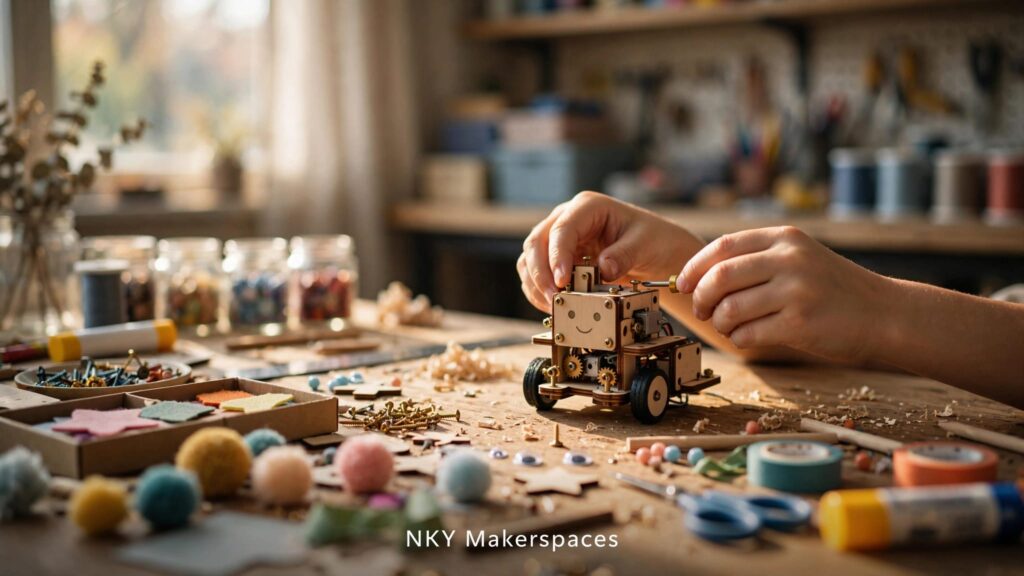

A child doesn't need a perfect drawing to gain something lasting from art. We see confidence grow when a child chooses the colors, handles the materials, and finishes a work that began as nothing more than an idea. For families searching for kids' art classes in Northern Kentucky, the right program is close, practical, and fitted to the child's age and interest.
We have excellent choices across Covington, Newport, Cincinnati, and the surrounding communities. Some classes focus on painting and drawing, while others bring in sculpture, mixed media, theater, or museum-based activities. These are the places we recommend checking first.
Key Takeaways
- Baker-Hunt Art & Cultural Center is one of the strongest starting points for children in Covington and nearby communities.
- The Carnegie and Cincinnati museums offer art programs that pair creative work with exhibitions, history, and culture.
- The best class matches the child's age, attention span, confidence, and preferred materials.
- Families can turn an art class into a full Northern Kentucky day with parks, museums, restaurants, and riverfront attractions.
- Always confirm current dates, age groups, fees, supplies, and pickup rules before registering.
Start With These Trusted Regional Art Programs
When we talk about art classes near Northern Kentucky, we begin with places that have a real connection to the region and a dependable history of serving families. A good program needs more than paint on a table. Children need patient instruction, suitable materials, and enough freedom to make the work their own.
Baker-Hunt Art & Cultural Center in Covington is the first place many local families should check. Located on Greenup Street, Baker-Hunt has long supported visual arts education through classes, workshops, camps, and community programming. Offerings change with the season, but families can often find options in drawing, painting, crafts, and mixed media.
The setting matters here. Children learn in a place devoted to art, not in a room that happens to have an art project. That difference is important. When the surroundings tell children that their work matters, they tend to take the work more seriously.
The Carnegie in Covington is another strong option. This historic arts center presents visual and performing arts, and its education schedule can include children's classes, workshops, camps, and special events. We recommend watching its seasonal calendar because school-break programs may appear at different times of the year.
For families willing to cross the river, the Cincinnati Art Museum offers youth and family programming in Eden Park. Museum classes can give children a wider view of art because they are connected to actual works, artists, materials, and traditions. A child may arrive expecting to make a picture and leave thinking about how an artist tells a story without using words.
The Taft Museum of Art in Cincinnati is also worth checking for family art-making events and educational programs. Its smaller scale can feel more approachable for children who become overwhelmed in large museums. We don't need to choose between Northern Kentucky and Cincinnati as if they are separate vacation destinations. They are close neighbors, and that closeness gives our families more choices.
Older children who want a more serious studio experience can also look at youth offerings through the Art Academy of Cincinnati. This option makes the most sense for a child who already spends time drawing, painting, or building and wants more instruction than a one-day workshop provides.
Match the Class to the Child
The right class is not automatically the one with the fanciest studio or the longest description. The right class is the one a child can enter with confidence and leave wanting to return.
For preschoolers and early elementary students, we look for short sessions, simple directions, and hands-on materials. Clay, washable paint, collage supplies, and large drawing tools are often better choices than a class built around careful detail. Young children need room to explore. They should not feel that every mark is a mistake.
Elementary-age children may be ready for a wider selection. Drawing, watercolor, acrylic painting, printmaking, sculpture, and mixed media can all work well. This is the age when we should pay attention to the child's own words. Does your child talk about animals, faces, buildings, comic characters, or fashion? Those interests can point toward a class that feels personal instead of forced.
Older children often need a clearer purpose. Some want an enjoyable weekly activity, while others want to build skills for school projects, portfolios, or future study. A structured drawing class may be better for one child, while another needs a relaxed studio where experimentation is encouraged.
We also need to consider temperament. A child who loves making art at home may still dislike a crowded class. A child who avoids drawing may become interested after trying clay or printmaking. The material can change the entire experience.
Before enrolling, consider these questions:
- Does the class group children by age or place several ages together?
- Will students complete one project or work through several materials?
- Are beginners welcome?
- Does the instructor demonstrate techniques or mainly provide supplies?
- How much help is available when a child gets stuck?
A strong class gives direction without taking over. Children should learn how to use the tools, but they should still have a real choice in the finished work.
Turn Art Class Into a Northern Kentucky Day
Art becomes easier to enjoy when we don't treat it like one more appointment squeezed between errands. Northern Kentucky gives us enough nearby attractions to build a full day around a class, especially in Covington, Newport, and Cincinnati.
If your child has a class at Baker-Hunt, we can begin with a walk through Covington's historic streets, enjoy lunch nearby, and spend time at Devou Park afterward. The park gives children space to move after sitting at a table. That balance matters, especially for younger students who cannot spend an entire day indoors.
A class at The Carnegie can pair naturally with a visit to Covington's downtown shops, a meal with the family, or an evening event. We should check travel time before booking, because a child who arrives tired and rushed may not be ready to create. A calm start is part of the experience.
When we cross into Cincinnati, the Cincinnati Art Museum and Taft Museum of Art give families a chance to connect classroom projects with real collections. The same child who paints a landscape in class may notice color, light, and brushwork differently after seeing an original painting.
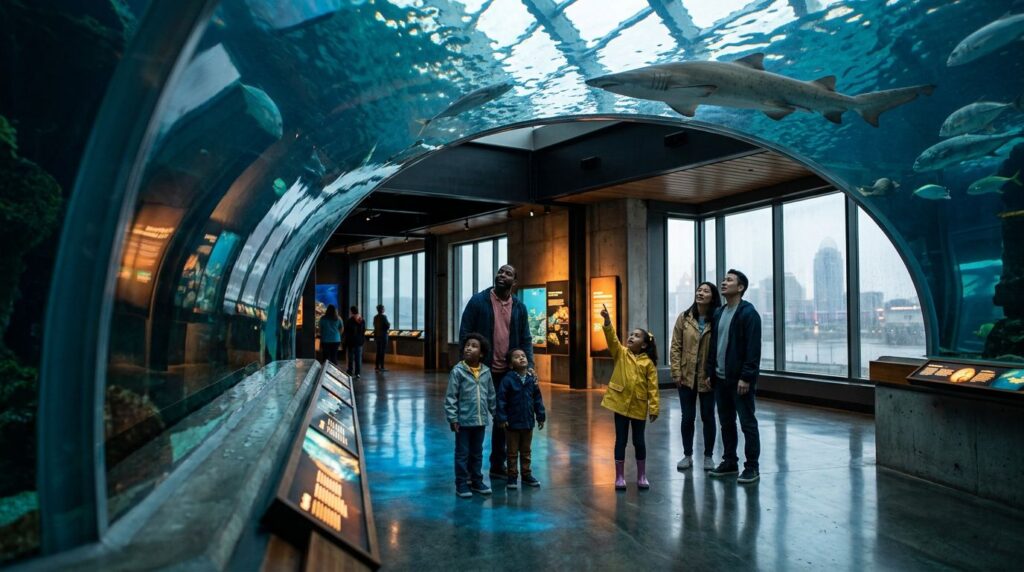
Newport offers another easy combination. Families can plan art time with a visit to Newport on the Levee, the Newport Aquarium, or a walk along the riverfront. We should not make the day so full that the art class becomes an afterthought. One main activity, one supporting attraction, and a good meal are often enough.
For visitors staying in the Cincinnati and Northern Kentucky area, an art class can also break up a busy vacation schedule. Children need more than rides, shops, and attractions. They need time to make something. A painted tile or hand-built sculpture gives them a memory they can carry home, not only a photograph on a phone.
What to Ask Before Registering
Schedules and offerings change, so we should never rely on an old social media post or a class listing from a previous season. Go directly to the provider's current registration information or call the education office before making plans.
Start with the practical details. Confirm the exact age range, class dates, session length, location, and total cost. Some programs include supplies, while others ask families to bring an apron, sketchbook, or specific tools. The fee may also be different for members, nonmembers, residents, or visitors.
Ask how the class handles missed sessions. A family vacation, illness, or school event can interrupt a multi-week program. We should know whether make-up work, refunds, or transfers are available before paying.
Safety and supervision deserve clear answers. Find out who stays with children during class, where pickup occurs, and whether an adult must remain on the property. For younger children, ask about restroom procedures and allergy concerns related to clay, paint, glue, or other materials.
The instructor's approach matters just as much as the project list. We want someone who can teach a technique without treating every child as if they should produce the same picture. Art instruction should build skill and independence together.
If your child is shy, ask whether a trial workshop or one-day event is available. A short class can show us whether the setting feels comfortable before we commit to a longer session. If your child is eager and experienced, ask about advanced instruction instead of placing them in a class that repeats skills they already know.
The best registration decision is an informed one. We should choose the program with the clearest fit, not the one that sounds impressive in a short advertisement.
Conclusion
The best art classes near Northern Kentucky are found in places that respect both children and the work they create. Baker-Hunt, The Carnegie, Cincinnati's museums, and youth programs across the river give families strong choices without requiring a long drive.
We should match the class to the child's age, interest, and confidence, then give the experience enough room to become more than a scheduled activity. When children leave with paint on their hands and a finished idea in front of them, they have gained something no attraction can provide by itself: the confidence to make something that did not exist before.