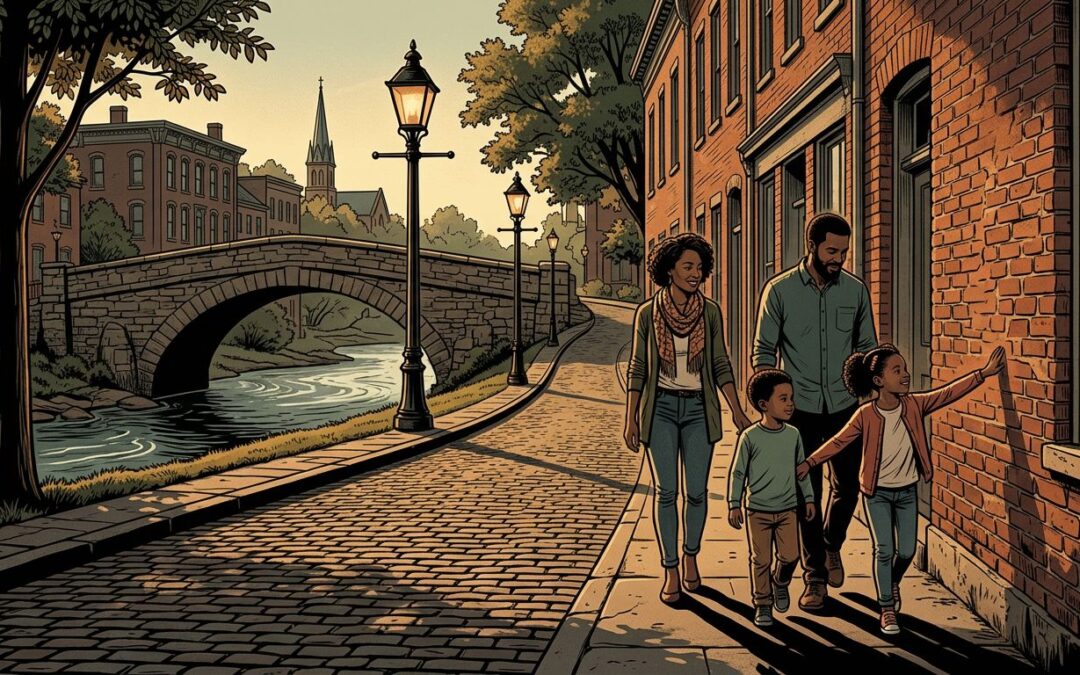
A family trip changes when the past stops feeling distant and starts feeling close. That is the real gift of historic sites northern kentucky. We can put our feet on old sidewalks, look up at old brick, cross an old bridge, and let children see that history happened in ordinary places where people truly lived.
Here in our corner of the Cincy region, we do not have to force a lesson. We only have to choose the right stops. When we do, a family outing becomes more than a photo day, it becomes a memory with weight.
Key Takeaways
- Focus on tangible history: Children connect best with history when they can interact with physical structures, such as bridges, staircases, and historic homes, rather than just reading plaques.
- Prioritize walkable districts: Areas like Covington allow for dense, meaningful exploration without the stress of constant travel, keeping children engaged and patient.
- Emphasize the human story: Sites like the Daniel Carter Beard Boyhood Home and Dinsmore Homestead turn abstract history into relatable personal experiences, helping children understand how people lived in the past.
- Quality over quantity: A successful family trip involves fewer stops with more room for natural curiosity, ensuring that the experience remains a positive memory rather than a forced lesson.
History has to work at child height
Not every historic stop is built for families, even if the plaque says it matters. If a place only asks children to stand still and read, the interest fades fast. But if a place gives them something to notice, such as historic landmarks like a bell tower, a wooden staircase, iron cables over the river, or a room filled with old tools, then the past starts to make sense.
That is why the best Northern Kentucky history outings tend to share a few traits. They are located within walkable historic districts. They have strong visual details. They let us connect one stop to the next without too much driving. And they leave room for simple questions, which is how children learn best.
Children remember places long after they forget dates.
We see this again and again. A child may not recall the year a bridge opened, but that same child will remember the way the river looked from the walkway. They may not hold onto every name from a guided tour, but they will remember the narrow staircase in an old home and the fact that people once cooked, cleaned, slept, and worked there without the comforts we take for granted.
If we want a wider look at what belongs on a weekend itinerary, Kentucky Tourism keeps a useful Northern Kentucky River Region attractions list. Still, a few places rise above the rest for families because they make history easy to feel.
Covington gives us the strongest history walk
If we had to send one family to one place for a first taste of Northern Kentucky history, we would send them to Covington in Kenton County. The city has old neighborhoods, church architecture, river views, and meaningful landmarks packed close together. That matters with children. Less time in the car means more patience, more curiosity, and fewer complaints. For those looking for an immersive experience, the Licking Riverside Historic District offers a beautiful path to take in the local heritage.
Daniel Carter Beard’s boyhood home
The Daniel Carter Beard Boyhood Home is one of the most important historic places in the region, and it works for families because it tells a story children can grab hold of. As one of the National Historic Landmarks in the area, and a site listed on the National Register of Historic Places, it connects big national history to one local address.
That kind of stop lands well with school-age kids because it makes history personal. This was not some faraway figure on a textbook page. This was a boy who lived here, walked these streets, and grew into someone whose ideas shaped outdoor education and youth life across the country. The house is not large, and that is part of its strength. Big museum campuses can wear kids out. A smaller historic site keeps the attention tighter. It lets us focus on one story and one place, which is often enough.
MainStrasse, old streets, and a grand cathedral
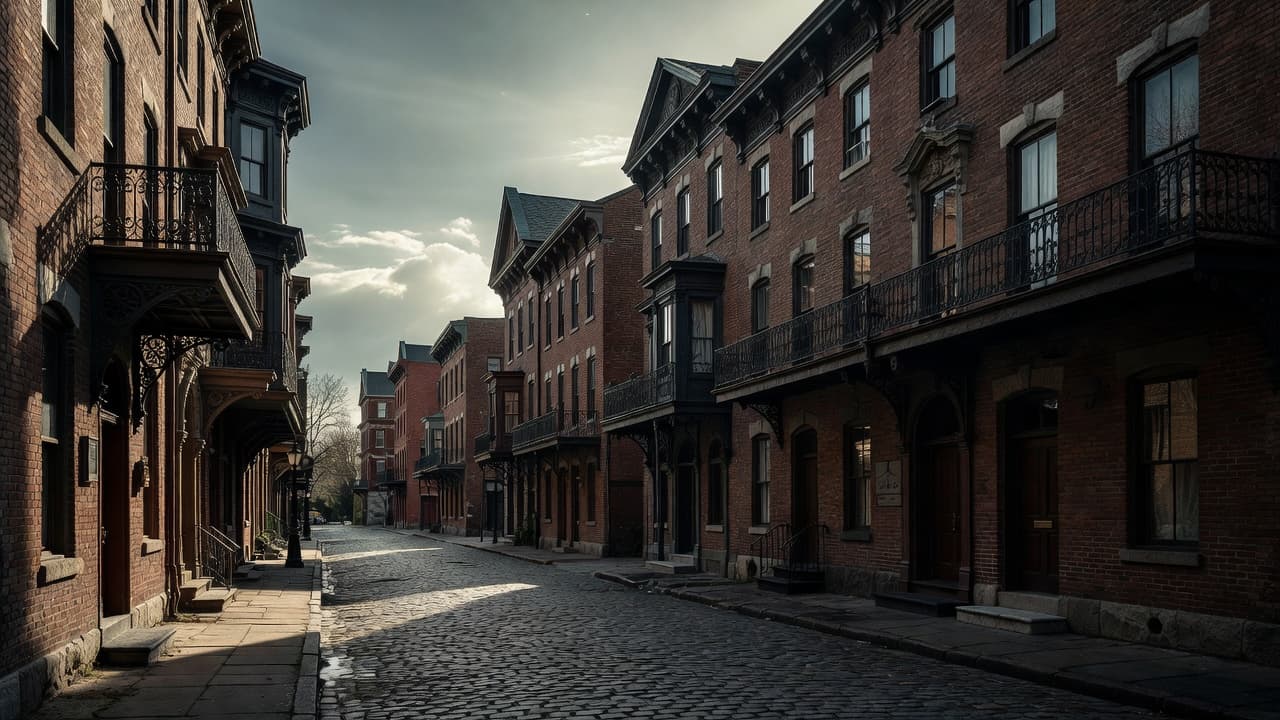
From there, we can keep the day moving by walking or driving a short distance into Covington's older districts. MainStrasse Village is a fantastic way to explore the region's German heritage. While wandering the area, you might spot the former site of the Bavarian Brewing Company, which adds a unique layer to the local history. These streets are filled with examples of historic architecture, including the impressive Thomas Carneal House, which helps children see what a 19th-century river city looked like. Brick buildings, narrow blocks, old facades, and public spaces do more teaching than we sometimes expect.
A stop at the Cathedral Basilica of the Assumption can add another kind of historic experience. As one of the most prominent religious sites in the region, its stunning Gothic Revival architecture is worth seeing. Even children who do not care much about design often go quiet when they step inside a building that feels that large and that old. High ceilings still preach their own lesson. They tell us that people once built with patience, ambition, and a long view.
For families planning around weather, our guide to visiting Covington historic districts on rainy days can help us pair old streets with indoor stops that keep the day from falling apart.
The riverfront tells Northern Kentucky’s story
If Covington gives us the city blocks, the riverfront provides the larger frame. Northern Kentucky history is synonymous with the Ohio River, the powerful waterway where trade flourished, industry grew, and travelers crossed for generations. Families who want one simple, high-value stop should put the John A. Roebling Suspension Bridge near the top of their list.
Children do not need a lecture to understand why this bridge matters. They can see the scale and feel the history. Beyond its engineering, this site holds deep significance as a path toward freedom for those seeking the Underground Railroad. As kids look at the cables, the towers, and the river below, they gain a tangible sense of the past. It is also an excellent vantage point to take in the sprawling Cincinnati skyline, which serves as a visual anchor for the area.
This is where history becomes physical. We are not asking kids to imagine an old route on a map, because we are standing right on it.
The bridge also works because it pairs well with the surrounding riverfront in Covington and Newport Kentucky. We can walk, stop for local food, watch boats, and point out how the river shaped both sides of the region. That mix is helpful. Young children often need history in shorter bursts, and the riverfront provides plenty of room to move between one discovery and the next. If you are looking to round out your visit, a trip across the bridge to explore Findlay Market offers families a perfect way to experience the broader Cincy region.
If we like checking a few options before a trip, current traveler reviews of Northern Kentucky sights and landmarks can help us compare what fits our family's pace.
Dinsmore Homestead makes the past feel real
Some historic places impress us with size. Dinsmore Homestead in Burlington wins another way. Listed on the National Register of Historic Places, this site puts us inside the daily life of an older Kentucky home, and that is exactly why families should go.
History gets stronger when it becomes ordinary. A field, a kitchen, a porch, a bedroom, and a work routine are the things that tell the truth about how people lived. Children often respond to that better than they respond to grand speeches about the past. They can picture chores, family meals, and a life without screens, central air, or a quick run to the store.
That is what makes Dinsmore one of the best family historic sites in Northern Kentucky. By preserving the original historic buildings on the farm, it does not let the past float away into abstraction. Instead, it brings the experience down to wood floors, authentic household objects, and the plain labor of everyday life.
Parents tend to appreciate it for another reason. The setting slows everyone down. There is room to ask simple questions. What did children do all day? How was food prepared? Why was the house built this way? Those questions lead to real conversations, and real conversations are where the trip starts to matter.
If Burlington is on our route, we have a fuller guide to exploring Dinsmore Homestead with children. It pairs well with a half-day outing because the home carries the history, while the rest of the area gives families space to breathe.
A better way to plan the day with kids
The strongest family history days are not packed tight. They are ordered with care. We do better when we think less like schedulers and more like guides. Children do not need five major sites. They need two or three good ones, enough walking to stay awake, and enough breaks to stay pleasant.
A simple walking tour pattern works well:
- Start with a place that has immediate visual impact, like the Roebling Bridge or the charming historic architecture found along an old Covington street.
- Add one stop with a focused story, like Daniel Carter Beard's home or Dinsmore Homestead.
- Leave room for a meal or treat nearby, so the day does not feel like a forced lesson.
- End before everyone is worn thin, because the last hour can spoil the memory of the first three.
This is the mistake many families make. They assume more history means more value. It does not. A shorter day with attention is better than a long day filled with dragging feet and glazed eyes.
We also do well to match the site to the age of the child. Younger children usually respond best to bridges, homes, and open walking areas. Older kids can handle a little more context and may enjoy the personal story behind Beard, the civic scale of Covington, or the layered river history that ties the whole region together.
Frequently Asked Questions
How many historic sites should I plan to visit in one day with children?
It is best to limit your itinerary to two or three high-quality sites. Focusing on a few spots with deep engagement allows children to explore at their own pace without becoming overwhelmed or tired.
Are historic homes in Northern Kentucky appropriate for young children?
Many of these sites, such as the Dinsmore Homestead, are excellent for children because they illustrate the daily routines and lives of people from the past. Focusing on tangible items like tools and furniture keeps the history interesting and accessible for younger visitors.
Why is the Covington area recommended for families?
Covington offers a high concentration of historic architecture, river views, and walkable districts all in one place. This density reduces time spent in the car, which helps maintain a positive atmosphere throughout the outing.
What makes the Roebling Suspension Bridge a good stop for kids?
Beyond its engineering marvel and beautiful views, the bridge serves as a physical connection to the past. It offers a tangible way to discuss local history and the Underground Railroad while providing plenty of space for children to walk and move.
Final thoughts
The best historic places for families are the ones that make the past visible, local, and human. Northern Kentucky provides that in abundance, whether you are crossing the Roebling Bridge, walking through charming historic districts, or stepping into the Dinsmore Homestead.
If we want children to remember their travels, we should give them sites with texture, rather than just information. These local landmarks are what make the past feel tangible. Ultimately, they turn history into memory, and that is what brings families back to Northern Kentucky time and time again.