

A child who helps prepare a meal gains something a restaurant visit can't provide: a part in the work. For families visiting Northern Kentucky, children's cooking classes offer a hands-on outing where measuring, listening, and following directions lead to something they can taste.
We believe a good family activity should give children room to participate, while keeping the day manageable for parents and grandparents.
Begin with the child's age, the class format, and the actual location, because a nearby Cincinnati program requires a different travel plan than a Kentucky stop.
Key Takeaways for a Better Cooking Outing
We recommend settling these details before building your day around a class:
- Cincinnati Museum Center has scheduled cooking programs for children, but its teaching kitchen is in Ohio.
- Age limits and caregiver requirements differ by program, so read the individual description before paying.
- Confirm the menu, allergy arrangements, ticket inclusions, and available seats directly with the provider.
Choose the lesson first. Then arrange the rest of your Northern Kentucky outing around it.
What Children’s Cooking Classes Teach
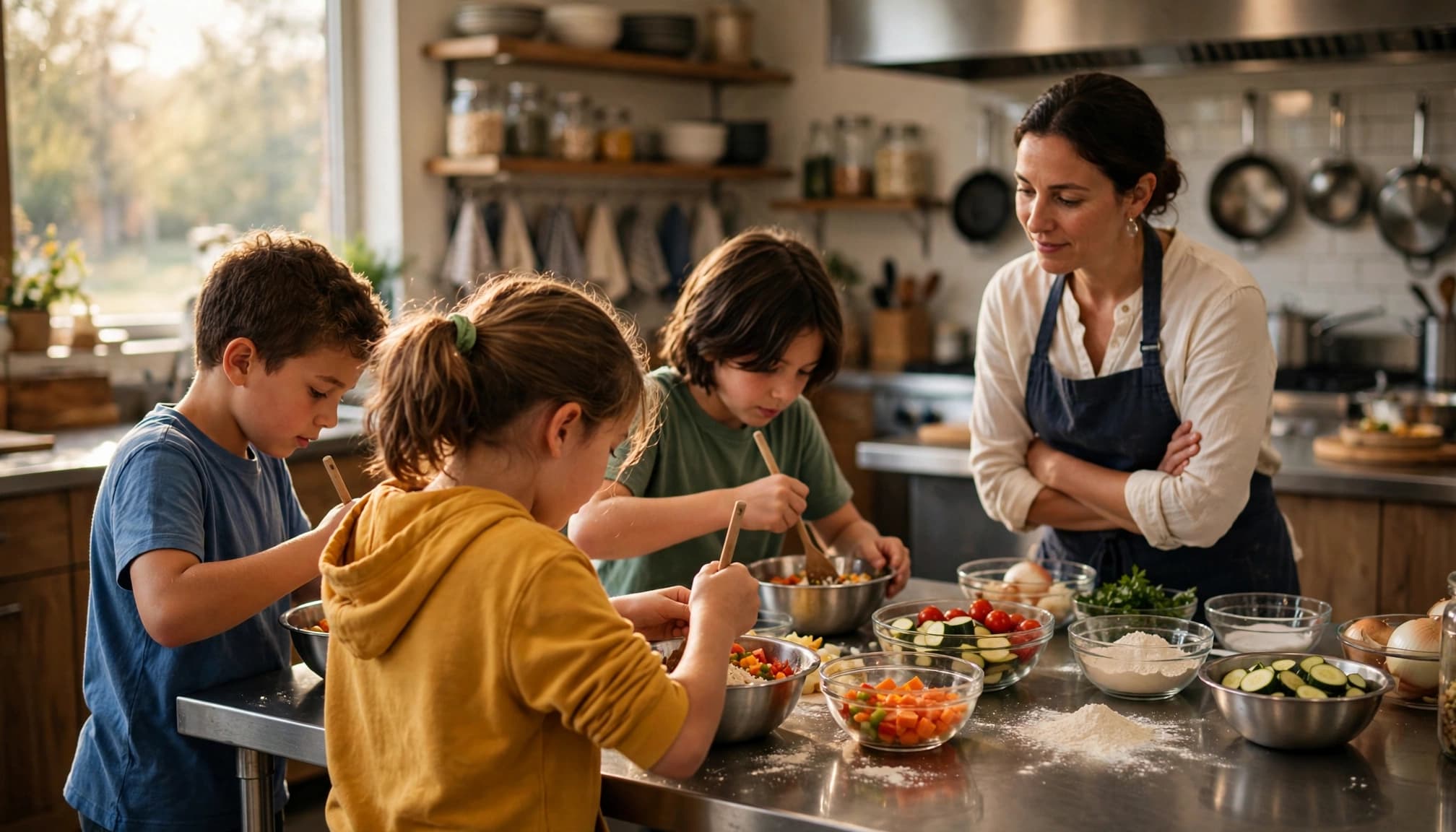
Hands-on means children take part in preparing the food. When choosing a class, we look for clear descriptions of what children will measure, mix, assemble, or cook themselves.
Following Directions With a Purpose
A recipe gives instructions that have a visible result. Children measure ingredients, follow an order, and wait while heat changes the food. Each step belongs to the next step.
This gives parents a concrete way to discuss fractions, timing, and patience without turning the outing into another worksheet. We value that kind of learning because the child has something to examine afterward.
Ask whether everyone prepares an individual dish or shares a group project. Both formats involve participation, but the amount of hands-on work can differ.
Taking Responsibility at the Counter
Cooking also gives children manageable responsibilities. Washing hands, clearing a work area, and listening before touching equipment are part of preparing food safely.
We recommend letting the instructor direct the work rather than finishing every task for your child. Help when help is needed, but leave room for the child to practice.
The finished dish doesn't need to look professional. The useful question is whether your child understands more about preparing it than they did before class.
A Nearby Cincinnati Option With Clear Details
Cincinnati Museum Center's Cr(eat)e Culinary Studio featuring the Kroger Food Lab is at Union Terminal, 1301 Western Avenue, Cincinnati. It is a nearby Ohio option for families staying in Northern Kentucky, not a Kentucky class location.
The Cr(eat)e Culinary Studio schedule lists the following fall 2026 programs. Check the booking page for seats before arranging your visit.
Homeschool Cooking Club for Ages 7 to 14
Science by the Bite: Homeschool Cooking Club combines cooking with food science. The listed price is $40 for members and $50 for non-members per class.
The October 15, 2026 session runs from 11 a.m. to 12:30 p.m. Its theme is "Bubbles, Batter and Berry Jam: The Crumpet Edition." A November 19 session covers pad thai during the same hours.
These weekday sessions suit families whose schedules allow a midday activity. We recommend checking the participation instructions as well as the age requirement, especially if you plan to bring siblings.
Junior Chefs With a Parent or Caregiver
Junior Chefs is for ages 7 to 18, with a participating parent or caregiver who must be at least 18.
The program page lists $125 for members and $135 for non-members, including one child and one adult caregiver. Posted sessions are October 24 and November 14, 2026, from 11 a.m. to 1:30 p.m.
The posted ticket-release time is October 19 at 9 a.m. That release date doesn't promise availability afterward. Read the current checkout details before making plans, and confirm arrangements for any additional family members.
Where to Look for Local and Seasonal Classes
Northern Kentucky families should begin with their travel limits. A convenient address matters, particularly when a class starts early or finishes near another reservation.
Ask About Kentucky Community Programs
For a Kentucky-side activity, ask your county's Cooperative Extension office, 4-H contacts, or local library whether a youth food-preparation program is scheduled.
Make the question clear: you need the date, age range, address, and whether children prepare food themselves. A nutrition talk and a hands-on cooking lesson offer different experiences.
We wouldn't build a vacation day around a general program description. Get a dated listing and confirm whether visitors can register, especially when a program has county, membership, or enrollment requirements.
Check Seasonal Camps Across the River
The Learning Kitchen in West Chester lists children's camps among its offerings. It is another Ohio lead to check, rather than a Northern Kentucky location.
Look for current camp dates, prices, age limits, and the number of sessions required. A camp can involve a larger commitment than a single workshop.
We recommend checking the full address before considering it convenient to your Kentucky lodging. Being in the same region doesn't make every drive short.
Choose a Class That Fits Your Child
The right class begins with the child. Age, attention, comfort around unfamiliar adults, and interest in the menu all matter more than an appealing photograph.
Match the Work to Their Readiness
A child who enjoys stirring batter may need a different introduction than an older child ready to manage several recipe steps. Ask what tools children use and how the instructor supervises them.
Readiness also includes willingness to listen. A teaching kitchen requires children to pause when directed, respect shared equipment, and leave hot surfaces alone.
We recommend choosing a first lesson your child can complete without feeling overwhelmed. One successful class gives you a clearer basis for deciding whether to book another.
Decide Between Shared and Independent Learning
A caregiver class lets you learn alongside your child. A drop-off class requires comfort with separation and clear procedures for arrival and collection.
Neither format is automatically better. Choose according to your child's needs and the provider's rules.
For visiting families, a single-session workshop is often easier to fit into a weekend than a recurring course. For local families, repeat lessons may offer time to practice. Confirm the format rather than assuming every children's cooking class works alike.
Settle Safety and Costs Before Booking
Food allergies belong in the first conversation. Tell the provider about your child's needs before purchasing tickets, and ask how ingredients, shared utensils, and work surfaces are handled.
An ingredient substitution doesn't establish that a kitchen is free of cross-contact. Ask whether the provider can accommodate your child's particular allergy. If the answer remains unclear, choose another activity.
We also recommend confirming supervision, handwashing arrangements, and who handles ovens or sharp equipment. Clothing instructions matter too. Follow the provider's guidance on shoes, tied-back hair, and anything children need to bring.
A ticket priced for one child and one caregiver doesn't automatically include siblings or another adult.
Compare the full family cost, including any additional admission, parking, or supplies. The Junior Chefs price includes a child and caregiver, while the Homeschool Cooking Club price is listed per class.
Read cancellation terms before paying. A date change, illness, or travel delay can affect a prepaid activity.
Finally, ask what happens to the finished food. Children may taste it during class or take some home, depending on the program. That answer helps you plan meals without assuming the class replaces lunch.
Make the Class Part of a Kentucky Visit
Here in Northern Kentucky, we recommend giving one substantial activity enough room in the day. A cooking class requires attention, and children deserve time afterward without another appointment pressing them forward.
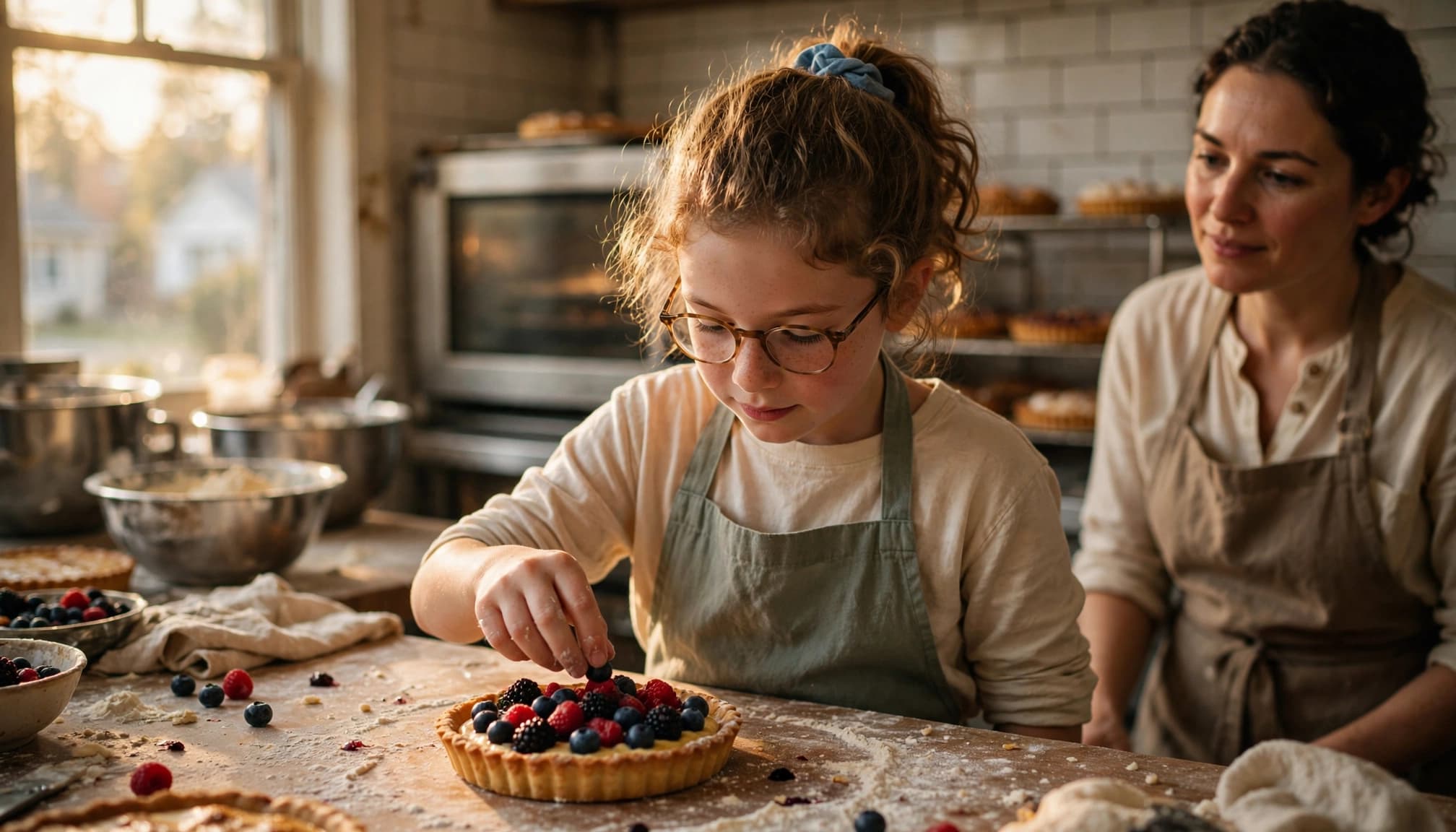
If you're staying in Covington or Newport and attending a Cincinnati class, allow time for the river crossing, parking, and finding the classroom. Use the provider's arrival instructions rather than planning to reach the building at the starting time.
Afterward, choose one flexible Kentucky-side activity. Our guide to Covington family activities can help you consider the rest of the afternoon without filling every hour.
For families staying farther south, compare the complete day's route before adding stops. Our Florence family outing guide offers another starting point for planning near your lodging.
Consider the relatives who aren't taking the class, too. Our broader Northern Kentucky family activities guide can help you choose an outing that includes them. A good Kentucky visit gives the whole family a place in the day.
Keep Practicing After Class
A lesson becomes more useful when children repeat what they learned. We recommend asking whether the recipe is provided and which steps are suitable to practice with adult supervision at home.
Let your child explain the order before beginning. What happens first? Which ingredients need measuring? What equipment must an adult handle? These questions show whether the instructions were understood.
Keep the first attempt manageable. Repeat one recipe rather than assigning a full meal, and include cleanup as part of the work.
For vacationing families, the practice can wait until you're home. Don't assume a hotel room or rental kitchen has the equipment the recipe requires. Bringing home the instructions gives your child something worth returning to after the trip.
Frequently Asked Questions
Are These Classes in Northern Kentucky?
Cincinnati Museum Center and The Learning Kitchen are in Ohio. For a Kentucky-side session, request a current listing from a local program contact and confirm the classroom address. We recommend checking location before treating any regional listing as a convenient neighborhood option.
What Age Can Children Start?
Age limits depend on the program. Cincinnati Museum Center lists Homeschool Cooking Club for ages 7 to 14 and Junior Chefs for ages 7 to 18. Don't assume younger siblings can participate because an adult is present; ask before purchasing their admission.
Must Parents Stay During Class?
Junior Chefs requires a participating adult caregiver who is at least 18. Other programs have their own rules. Confirm whether adults participate, observe, leave, or remain nearby, along with any separate adult charge. Those details affect both the cost and your plans during class.
Bring Home More Than a Meal
We recommend choosing children's cooking classes by participation, fit, and clear booking details. The right lesson gives your child work they can understand and skills they can practice again.
Keep the location honest and the rest of your Kentucky day unhurried. When children have time to learn, prepare, and share what they made, the family brings home more than a photograph of the outing.